15 Best Anti-Inflammatory Foods for Arthritis (Backed by Research)
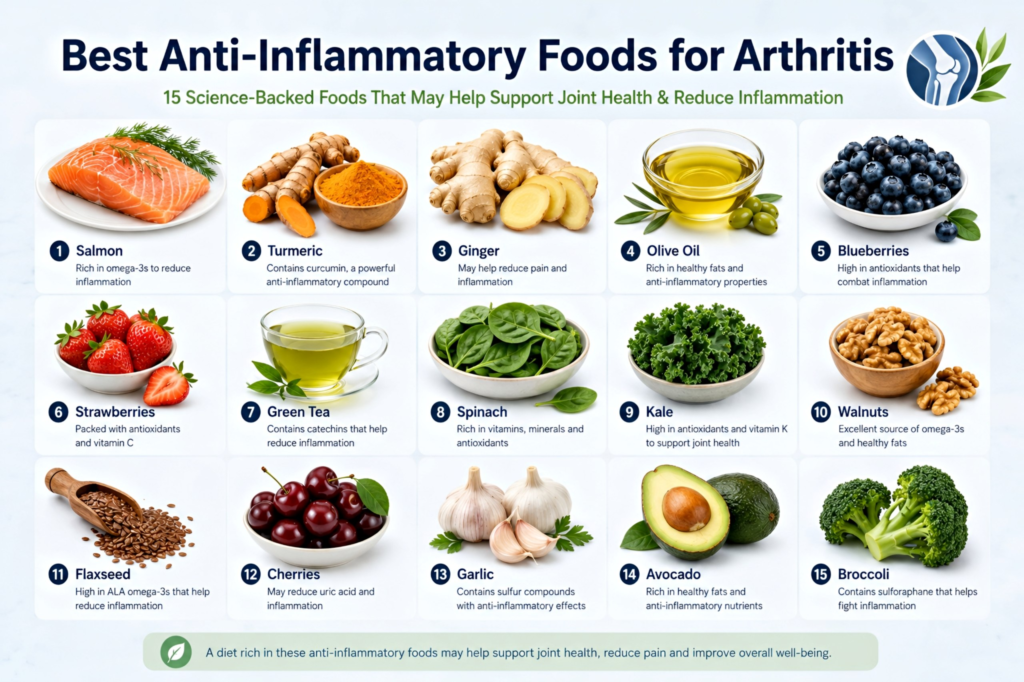
The best anti-inflammatory foods for arthritis backed by research article may help support joint health and reduce inflammation naturally. Research suggests foods rich in omega-3 fatty acids, antioxidants and polyphenols may help some people manage arthritis symptoms more effectively.
Certain foods contain omega-3 fatty acids, antioxidants, polyphenols, and other compounds that may help support joint health and reduce inflammatory activity. Although no food can cure arthritis, a balanced anti-inflammatory diet may help some people manage symptoms more effectively.
What Causes Inflammation in Arthritis?
Inflammation is part of the body’s natural immune response. In conditions such as rheumatoid arthritis, the immune system mistakenly attacks healthy joint tissue, leading to swelling and pain. In osteoarthritis, inflammation may develop due to cartilage breakdown and joint stress over time.
Research suggests that chronic inflammation may worsen:
•Joint stiffness
•Pain sensitivity
•Cartilage damage
•Mobility issues
•Lifestyle factors including diet, sleep, stress, body weight, and physical activity may also influence inflammation levels.
Can Diet Help Reduce Arthritis Symptoms?
Diet alone cannot cure arthritis. However, studies suggest that anti-inflammatory dietary patterns such as the Mediterranean diet may help support joint health and reduce inflammatory markers in some individuals.
Foods rich in:
omega-3 fatty acids
polyphenols
antioxidants
fiber
may help support the body’s natural inflammatory balance.
Best Anti-Inflammatory Foods for Arthritis
1. Fatty Fish
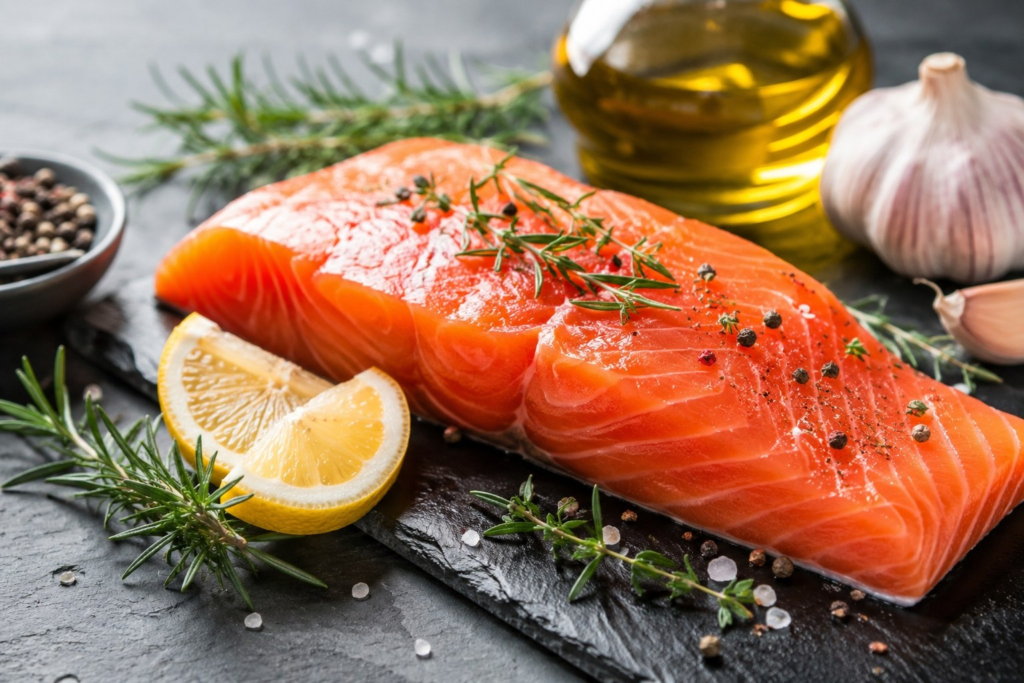
Examples:
salmon
sardines
mackerel
Why It May Help
Fatty fish are rich in omega-3 fatty acids, which have been studied for their anti-inflammatory effects. A 2024 meta analysis conluded that fish consumption helps reduce joint tenderness and morning stiffness in people with rheumatoid arthritis.
Best Ways to Consume
grilled salmon
sardines
baked mackerel
fish oil supplements
Important Notes
Choose low-mercury fish varieties or wild caught fish whenever possible.
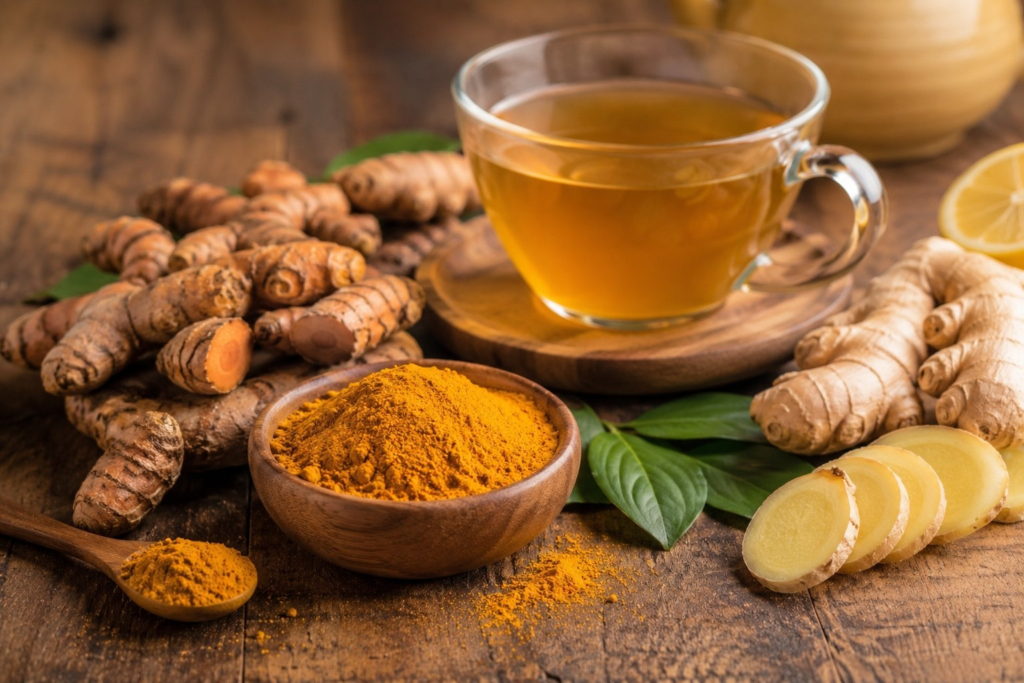
2. Turmeric
Why It May Help
Turmeric contains curcumin, a compound studied for its anti-inflammatory properties. Human trials suggest curcumin may help support pain reduction and joint function in osteoarthritis. Many randomised controlled trials provide scientific evidence that supports the efficacy of turmeric extract (about 1000 mg/day of curcumin) in the treatment of arthritis.
Best Ways to Consume
turmeric tea
curries
turmeric with black pepper
standardized curcumin extracts
Important Notes
Curcumin absorption improves when combined with black pepper.
Related: Read our detailed guide on turmeric or curcumin for rheumatoid arthritis and curcumin for osteoarthritis relief backed by science
3. Ginger
Why It May Help
Ginger contains compounds that may help influence inflammatory pathways and oxidative stress. Some studies suggest ginger may help reduce osteoarthritis pain. A meta-analysis of randomized placebo-controlled trials showed that ginger was modestly effective and safe for treatment of Osteoarthritis.
Best Ways to Consume
ginger tea
fresh ginger in meals
ginger powder
ginger supplements
4. Extra Virgin Olive Oil
Why It May Help
Extra virgin olive oil contains polyphenols and healthy monounsaturated fats associated with anti-inflammatory dietary patterns. Oleuropein, a compound found in olive oil, has shown potential anti-inflammatory effects that may benefit individuals with arthritis.
Best Ways to Consume
salad dressing
light cooking
Mediterranean-style meals
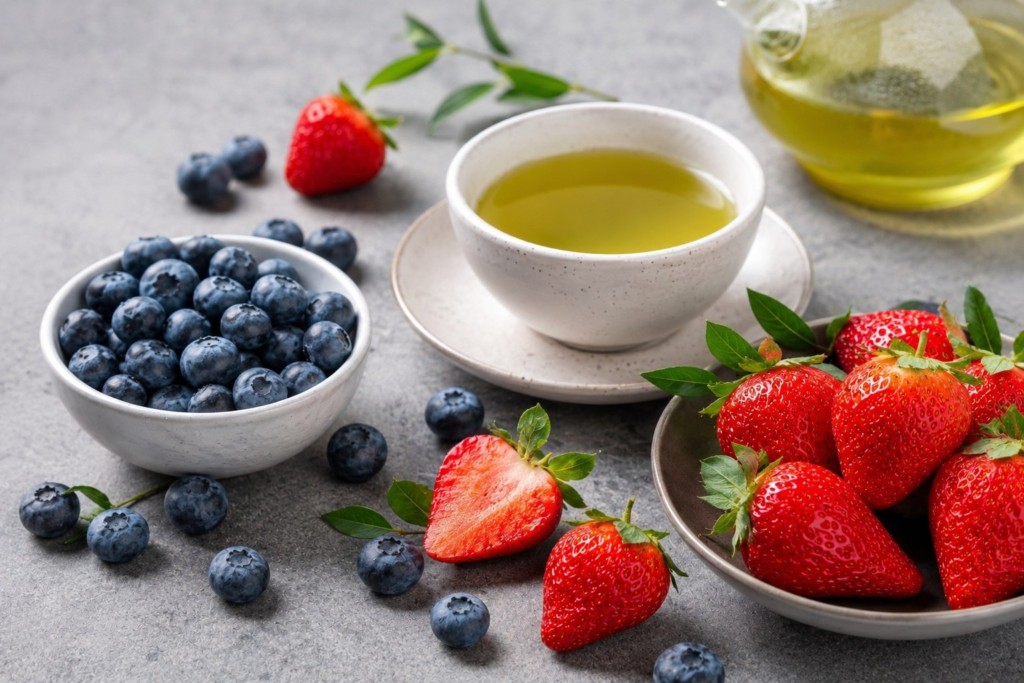
5. Blueberries
Why It May Help
A 2019 research suggests that blueberries may help improve symptoms of oestoarthritis due to their high content of polyphenols, which have anti-inflammatory effects. Blueberries may help improve symptoms of arthritis due to their high content of polyphenols, which have anti-inflammatory effects. Blueberries contain anthocyanins and antioxidants that may help reduce oxidative stress linked with chronic inflammation.
Best Ways to Consume
smoothies
oatmeal
yogurt bowls
6. Strawberries
Why It May Help
Strawberries are beneficial for arthritis due to their high vitamin C content and anti-inflammatory properties, which can help lower body-wide inflammation linked to arthritis flare. A 2018 research suggests it may help support lower inflammatory marker levels and reduce pain in people with osteoarthritis
Best Ways to Consume
fresh fruit bowls
smoothies
healthy snacks
7. Green Tea
Why It May Help
Green tea catechins, particularly epigallocatechin-3-gallate (EGCG), have shown promising anti-inflammatory and antioxidant properties that may help alleviate symptoms of arthritis, including rheumatoid arthritis and osteoarthritis. Research suggests that these compounds can potentially slow disease progression and reduce inflammation associated with these conditions.
Best Ways to Consume
warm green tea
green tea extract
matcha tea
Important Notes
Limit added sugar or better avoid sugar. Use raw honey or natural sweeteners
8. Spinach
Why It May Help
A 2024 research suggest that Spinach may have potential benefits for individuals with rheumatoid arthritis due to its nutritional and bioactive compounds, which can help reduce inflammation and support joint health. Spinach contains antioxidants, magnesium, and vitamin K, nutrients associated with overall inflammatory balance and bone health.
Best Ways to Consume
salads
soups
smoothies
sautéed spinach
9. Kale
Why It May Help
A 2025 animal study suggests that Kale is rich in antioxidants and phytochemicals that may help support healthy inflammatory responses.
Best Ways to Consume
salads
smoothies
lightly steamed kale
10. Walnuts
Why It May Help
Walnuts provide healthy fats including plant omega-3 fatty acids which have anti-inflammatory properties that may help reduce arthritis symptoms. A 2024 research suggests that walnuts also have ellagitannin that exhibits antioxidant and anti-inflammatory properties and reduces oxidative stress by activating the Nrf2 anti inflammatory signalling pathway.
Best Ways to Consume
snacks
oatmeal toppings
with salads
as butter with tea
11. Flaxseed
Why It May Help
Flaxseed contains alpha-linolenic acid (ALA), a plant-based omega-3 fat associated with anti-inflammatory dietary patterns. A 2021 randomised controlled trial suggests that flaxseed may be used as a helpful adjuvant therapy for patients with RA.
Best Ways to Consume
ground flaxseed in smoothies/juices
yogurt or buttermilk
oatmeal
soups
Important Notes
Ground flaxseed is easier to digest than whole flaxseed.
12. Cherries
Why It May Help
Cherries contain anthocyanins studied for antioxidant and anti-inflammatory properties. A 2014 research suggests that consumption of Tart cherry juice may reduce pain, inflammation and inflammatory biomarkers among women with Osteoarthritis.
Best Ways to Consume
fresh cherries
tart cherry juice
smoothies
13. Garlic
Why It May Help
Garlic contains sulfur compounds that may help support inflammatory balance and immune function. A systematic Review published in 2015 concluded that garlic extract is a safe and well-tolerated therapy for rheumatoid and osteoarthritis.
Best Ways to Consume
fresh garlic in meals
roasted garlic
garlic powder with soups
raw garlic cloves with honey
garlic supplements
14. Avocado
Why It May Help
Avocados provide healthy monounsaturated fats, fiber, saponons, and antioxidants commonly associated with Mediterranean-style diets. Research indicates that avocado seed extract shows promise as an anti-inflammatory compound, which could be beneficial for conditions like arthritis.
Best Ways to Consume
salads
avocado toast
smoothies
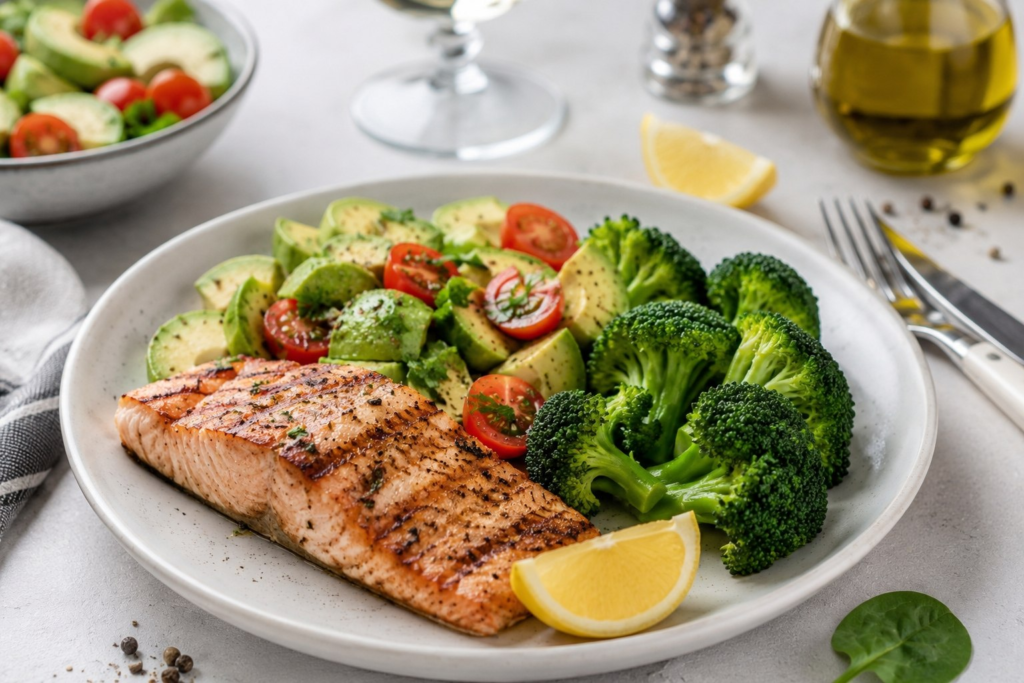
15. Broccoli
Why It May Help
Broccoli contains sulforaphane, a compound studied for antioxidant and anti-inflammatory activity. Research suggests that sulforaphane, a compound found in broccoli, may help slow cartilage destruction in osteoarthritis, potentially reducing joint damage and pain.
Best Ways to Consume
lightly steamed broccoli
stir-fries
soups
Daily Anti-Inflammatory Meal Ideas
Breakfast
oatmeal with blueberries and walnuts
green tea
Lunch
salmon salad with olive oil dressing
spinach and avocado
Snack
strawberries
tart cherry smoothie
Dinner
grilled fish with broccoli and kale
turmeric ginger soup
Frequently Asked Questions
Can food cure arthritis?
No. Arthritis is a complex medical condition. However, diet may help support inflammation management and overall joint health.
How long does diet take to help arthritis?
Results vary. Some individuals may notice changes within weeks, while others may require longer-term dietary consistency.
Is coffee inflammatory?
Moderate coffee intake is not necessarily harmful for everyone. Responses may vary between individuals.
Are tomatoes bad for arthritis?
Current evidence does not strongly support avoiding tomatoes for most people with arthritis unless personal sensitivity exists. Morever raw tomatoes can excerbate pain but jhot tomato soup most probably wont cause pain but if you cook tomato soup with spices wont trigger pain rather it will relieve pain. So how you process foods also changes its how it will affect pain.
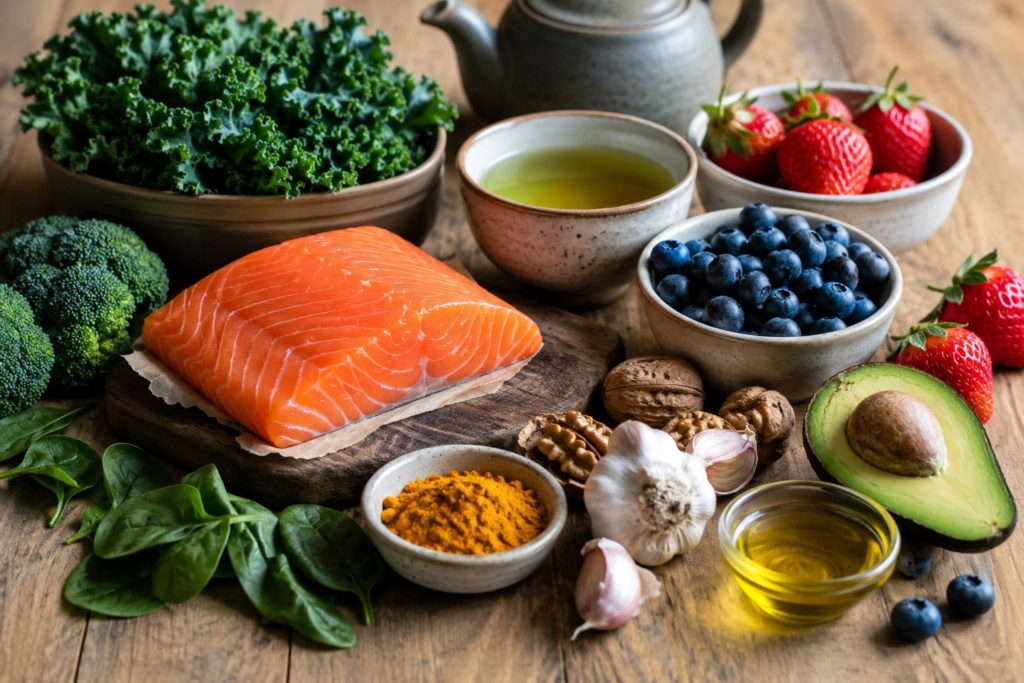
Final Thoughts
The best anti-inflammatory foods for arthritis backed by research may help support joint health and overall wellness in people with arthritis. Foods rich in omega-3 fatty acids, antioxidants, and polyphenols may also help support the body’s natural inflammatory response. While diet alone cannot cure arthritis, combining healthy nutrition with movement, sleep, stress management, and medical care may help improve quality of life.
Related Guides
15 Best Fruits for Arthritis Backed by Research
20 Best Vegetables for Arthritis Backed by Research
10 Natural Ways to Reduce Joint Pain Without Painkillers
About the Moviva Research Team
The Moviva Research Team focuses on evidence-based wellness, nutrition, inflammation research, and natural health topics. Our goal is to simplify scientific research into practical, reader-friendly health information backed by published studies and clinical evidence.
Medical Disclaimer
This article is for educational and informational purposes only and does not constitute medical advice. Always consult a qualified healthcare professional before making dietary or supplement changes, especially if you have arthritis or take medications.
References
Fish
https://www.researchgate.net/publication/370135169_The_relationship_between_fish_consumption_and_Rheumatoid_Arthritis_a_systematic_review_and_meta-analysis
Turmeric
https://pmc.ncbi.nlm.nih.gov/articles/PMC5003001/
Ginger
https://pubmed.ncbi.nlm.nih.gov/25300574/
Olive oil
https://ouci.dntb.gov.ua/en/works/4yNnJdyg/
Blueberries
https://pmc.ncbi.nlm.nih.gov/articles/PMC6413191/
Strawberries
https://faseb.onlinelibrary.wiley.com/doi/abs/10.1096/fasebj.31.1_supplement.646.41
Green tea
https://www.mdpi.com/2076-3417/15/24/13176
Spinach
https://biomedres.us/fulltexts/BJSTR.MS.ID.009191.php
Kale
https://www.ijpsjournal.com/article/Evaluation+Of+AntiRheumatoid+Arthritis+Activity+of+Curly+Kale+Brassica+Oleracea+Var+Sabellica+Leaves+in+Freunds+Complete+Adjuvant+Induced+Arthritis+in+Wistar+Albino+Rats
Walnuts
https://www.sciencedirect.com/science/article/pii/S1756464624002949
Flaxseeds
https://link.springer.com/article/10.1007/s00394-021-02707-9
Cherries
https://www.researchgate.net/publication/279508007_Efficacy_of_Tart_Cherry_Juice_to_Reduce_Inflammation_Biomarkers_among_Women_with_Inflammatory_Osteoarthritis_OA
Garlic
https://karger.com/cmr/article-abstract/32/4/296/929850/Garlic-Extract-in-Rheumatological-Diseases-A?redirectedFrom=fulltext
Avocado
https://www.psu.edu/news/research/story/avocado-seed-extract-shows-promise-anti-inflammatory-compound
Broccoli
https://www.sciencedaily.com/releases/2013/08/130827204039.htm