20 Best Vegetables for Arthritis Backed by Research
Joint pain, stiffness, swelling, and reduced mobility can make everyday life difficult for people living with arthritis. While medications and medical treatment remain important, growing scientific research suggests that certain vegetables contain compounds studied for inflammatory balance, cartilage protection, oxidative stress reduction, and joint support.
Vegetables contain powerful bioactive compounds such as sulforaphane, quercetin, betalains, anthocyanins, glucosinolates, polyphenols, and carotenoids that may influence inflammatory pathways linked with osteoarthritis and rheumatoid arthritis.
Importantly, many modern studies now support what traditional dietary systems have emphasized for centuries — regularly consuming vegetables, herbs, spices, and minimally processed plant-based foods may help support overall inflammatory balance and long-term health.
At the same time, it is important to understand that many arthritis studies use concentrated extracts, powders, juices, supplements, or isolated compounds rather than ordinary food portions alone. Whole vegetables still provide fiber, antioxidants, vitamins, minerals, and complex phytochemicals that may work together synergistically.
Why Vegetables May Help Arthritis
Arthritis is not simply “wear and tear.” Many forms of arthritis involve chronic inflammation, oxidative stress, immune dysfunction, cartilage breakdown, and inflammatory signaling pathways such as NF-κB, TNF-α, IL-1β, and IL-6.
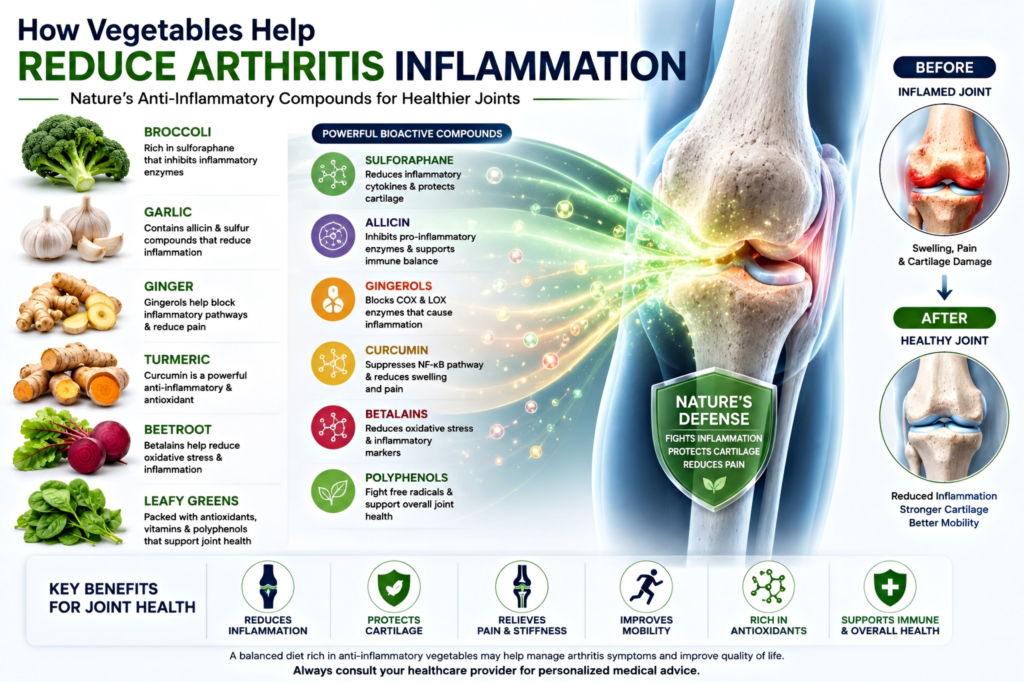
Several vegetables contain natural compounds studied for influencing these pathways, including:
•Sulforaphane (broccoli)
•Curcumin (turmeric)
•Gingerols (ginger)
•Quercetin (onions)
•Betalains (beetroot)
•Anthocyanins (purple vegetables)
•Glucosinolates (cruciferous vegetables)
Some studies have also shown improvements in:
•WOMAC scores
•Stiffness
•Inflammatory markers
•Pain scores
•Mobility
•Cartilage protection
•Oxidative stress markers
However, vegetables alone cannot cure arthritis. They work best as part of an overall healthy lifestyle that may include medical treatment, physical activity, proper sleep, stress management, and weight management.
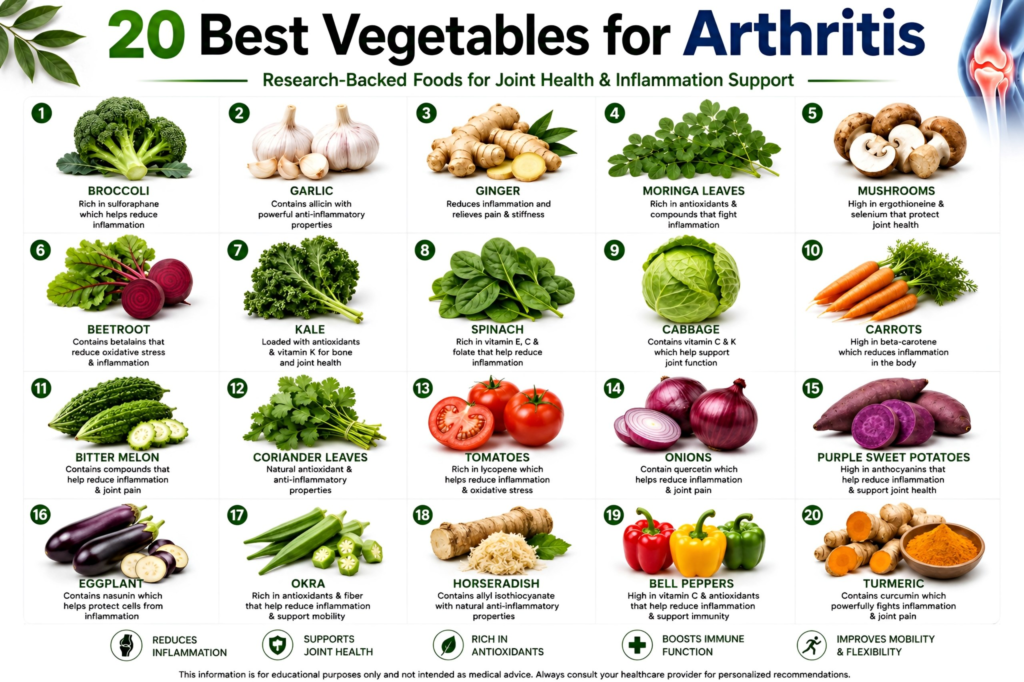
Below are some of the best vegetables for arthritis backed by scientific researc
1. Broccoli
Broccoli is one of the most researched vegetables for arthritis because it contains sulforaphane, a bioactive compound studied for cartilage protection and inflammatory balance. Research suggests that sulforaphane may help reduce inflammatory activity linked with osteoarthritis and rheumatoid arthritis. Laboratory studies have shown that sulforaphane may help slow cartilage destruction and influence inflammatory pathways involved in joint degeneration.
A human osteoarthritis study found that compounds from broccoli were detectable inside the joint after increased broccoli consumption, suggesting that broccoli compounds may directly reach joint tissues and influence joint biology.
According to a review on broccoli and arthritis, broccoli and its bioactive compounds may support arthritis prevention and management through anti-inflammatory and cartilage-supportive mechanisms.
Broccoli belongs to the cruciferous vegetable family, which also includes kale, cabbage, cauliflower, and Brussels sprouts. These vegetables contain glucosinolates and isothiocyanates studied for their antioxidant and anti-inflammatory properties.
Eating raw or even better is eating broccoli sprouts provides highest concentration of glucosinolates and isothiocyanates. However cooking cruciferous vegetables deactivates the plant enzyme myrosinase, which normally converts glucosinolates into isothiocyanates. Fortunately Light steaming such as stir-frying and steaming are suitable techniques to preserve glucosinolates and isothiocyanates while boiling is harmful for the retention of these bioactive compounds as per this research study.
Accordingly, the appropriate cooking method should be considered an important factor to preserve the health-promoting effects in tcruciferous vegetable family. Further combining broccoli with healthy fats, garlic, ginger, or olive oil may also support nutrient absorption and overall dietary quality.
2. Garlic
Garlic has been widely studied for its anti-inflammatory, antioxidant, and immune-supportive properties. It contains sulfur compounds and phytochemicals that may influence inflammatory pathways linked with arthritis.
A systematic review on garlic extract in rheumatological diseases found improvements in several arthritis-related outcomes, including pain, stiffness, WOMAC scores, swollen joints, and inflammatory biomarkers such as CRP and TNF-α. The key message of the review was that garlic extract is a safe and well-tolerated therapy for rhuematoid arthritis and osteoarthritis.
Garlic is especially interesting because it is commonly used in traditional dietary systems alongside ginger and turmeric. Modern science increasingly supports the idea that these foods may contain synergistic compounds that influence inflammation and oxidative stress pathways.
Crushing garlic before cooking may releases its natural oils and enhances its flavor due to the production of allicin, an organosulfur compounds that provides health benefits and a strong aroma as per this study. Considering all the evidence the study concluded that crushing can be suggested as the best method to preserve the most of the phenolic and organosulfur compounds (OSC) content.
Since garlic is rarely consumed raw, short thermal processing at lower temperature should be considered. It’s recommended to let the crushed garlic sit for about 10 minutes before cooking to maximize these effects as per the study published in Applied Food Research. Many people also tolerate cooked garlic better than raw garlic.
Garlic is commonly combined with:
•Turmeric
•Ginger
•Olive oil
•Cooked vegetables
•Soups and stews
This may create more practical and sustainable anti-inflammatory eating patterns compared with relying only on supplements.
3. Ginger
Ginger is one of the most well-known anti-inflammatory foods studied for arthritis support. It contains gingerols and shogaols, compounds researched for their effects on inflammatory pathways including NF-κB.
A meta-analysis of randomized placebo-controlled trials found that ginger may help reduce osteoarthritis pain and symptoms in some individuals.
Additional human research trial suggests that ginger may influence inflammatory arthritis pathways and reduce inflammatory activity linked with rheumatoid arthritis models.
Traditionally, ginger has been widely used in cooking systems across Asia and India not only for flavor but also for digestive and inflammatory support. Many traditional preparations combine ginger with turmeric, garlic, black pepper, and cooked vegetables.
Cooking methods may matter significantly. Fresh ginger, slow-cooked ginger, ginger tea, and cooked curries may affect digestion and tolerance differently from highly processed foods.
4. Turmeric
Turmeric contains curcumin, one of the most and best researched anti-inflammatory compounds in arthritis nutrition research.
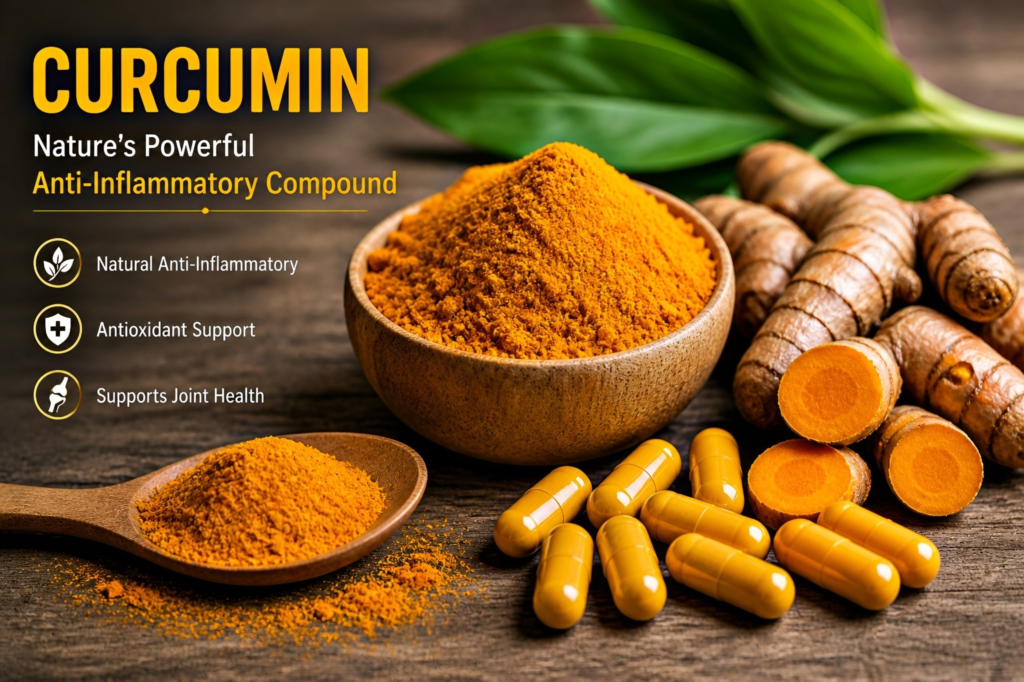
A systematic review and meta-analysis of randomized clinical trials found that turmeric extracts and curcumin supplementation may help improve both types of arthritis, rheumatoid arthritis and osteoarthritis symptoms and inflammatory markers in some individuals.
Curcumin has been studied for:
•Inflammatory balance
•Oxidative stress reduction
•Joint pain support
•Cartilage protection
•Inflammatory signaling pathways
However, many studies use concentrated curcumin extracts rather than culinary turmeric alone. Absorption of curcumin may also improve when turmeric is consumed with black pepper and healthy fats.
Traditional cooking practices often combine turmeric with ginger, garlic, onions, and cooked vegetables — combinations that modern science is increasingly investigating for synergistic anti-inflammatory effects.
We highly recommend you to read our human research trials backed articles on curcumin for detailed analysis.
Turmeric or curcumin for rheumatoid arthritis
Turmeric or curcumin for osteoarthritis
5. Moringa
Moringa is one of the most interesting plants studied for rheumatoid arthritis and joint health because both traditional medicine systems and modern scientific research support its anti-inflammatory potential.
A human rheumatoid arthritis study found that moringa extract significantly reduced IL-6 levels and disease activity scores in RA patients.
Research reviews also suggest that moringa may help reduce inflammatory cytokines, cartilage erosion, oxidative stress, and inflammatory signaling pathways associated with arthritis.
Another clinical study reported improvements in DAS28-CRP scores after moringa supplementation in rheumatoid arthritis patients. Research reviews also suggest that moringa may help reduce inflammatory cytokines, cartilage erosion, oxidative stress, and inflammatory signaling pathways associated with arthritis.
A systematic review on moringa and osteoarthritis further reported osteoprotective and chondroprotective effects, including improvements in cartilage health and inflammatory markers.
Moringa is widely used in traditional Indian, African and Asian cooking systems, often added to soups, curries, dals, and vegetable preparations. Many people prefer cooked moringa leaves because cooking may improve digestibility and reduce bitterness.
6. Mushrooms
Certain mushrooms contain bioactive compounds studied for inflammatory balance, immune modulation, antioxidant activity, and cartilage support.
Reishi mushroom (Ganoderma lucidum) has shown anti-arthritic and anti-inflammatory activity in rheumatoid arthritis models.
Another study suggested that reishi polysaccharides may influence inflammatory pathways involved in rheumatoid arthritis.
Lion’s mane mushroom has also shown promising osteoarthritis-related findings. Research reported reductions in cartilage degradation, bone erosion, and inflammatory cytokines in osteoarthritis models.
Studies on shiitake and white button mushrooms have additionally suggested reductions in arthritis severity in experimental models.
Cooking mushrooms properly is important because cooking may improve digestibility and nutrient availability while reducing certain naturally occurring compounds that may irritate digestion in some individuals.
7. Beetroot
Beetroot contains betalains, powerful antioxidant pigments studied for inflammatory balance and joint support.
A placebo-controlled clinical study found that betalain-rich beetroot concentrate improved knee discomfort, WOMAC scores, joint function, and energy levels in individuals with knee discomfort.
Additional research studies suggests that beetroot compounds may help reduce inflammatory cytokines such as TNF-α and IL-6 in osteoarthritis-related inflammation.
As per comprehensive review published in 2021 in Human Nutrition & Metabolism and Beetroot is also rich in antioxidant betalains that may help reduce oxidative stress linked with chronic inflammatory conditions.
Some people enjoy beetroot roasted, lightly steamed, or added to soups and curries. Cooking may soften fibers and improve digestibility for some individuals.
8. Bitter Melon
Bitter melon, also known as karela, has long been used in traditional medicine systems for metabolic and inflammatory health.
A randomized controlled trial involving patients with knee osteoarthritis reported improvements in symptom scores and reduced analgesic use after bitter melon supplementation.
Research also suggests that bitter melon may influence inflammatory pathways involving NF-κB, TNF-α, IL-1β, and IL-6.
Traditionally, bitter melon is usually cooked rather than eaten raw. Cooking with onions, garlic, turmeric, ginger, and spices may reduce bitterness and improve palatability.
Importantly, preparation methods may influence tolerance significantly. Many people tolerate cooked bitter melon much better than raw preparations.
9. Coriander Leaves
Coriander leaves, also known as cilantro or dhania leaves, are rich in antioxidants and phytochemicals studied for inflammatory balance.
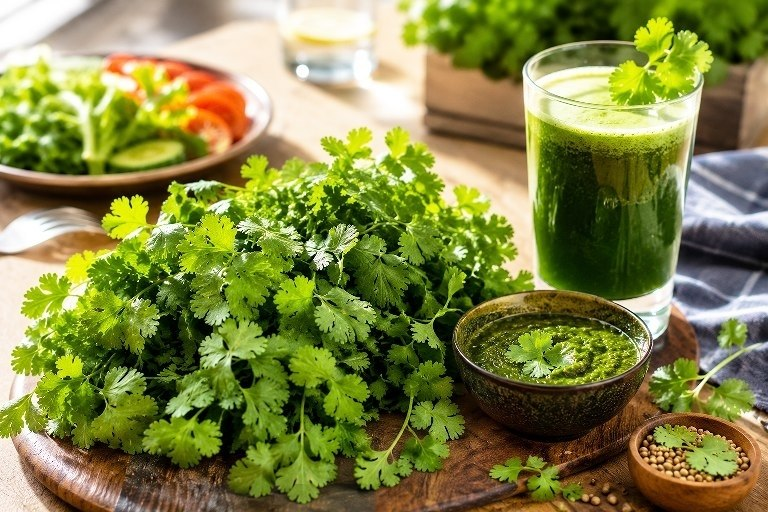
A human osteoarthritis study found that coriander leaf supplementation influenced inflammatory and clinical parameters in arthritis patients, including ESR and alkaline phosphatase levels. Researchers suggested that coriander leaves may exert antioxidant and antiarthritic effects through their bioactive compounds, vitamins, and minerals.
Coriander is widely used in traditional Indian, Asian, Chinese cooking alongside garlic, onions, ginger, and turmeric. Fresh coriander leaves are often added at the end of cooking to preserve aroma and flavor.
For some individuals, lightly cooked coriander-based preparations may be easier to digest than large amounts of raw herbs.
10. Carrots
Carrots contain beta-carotene, phenolic acids, flavonoids, and antioxidant compounds studied for immune regulation and inflammatory balance.
A human rheumatoid arthritis study found that carrot juice supplementation was associated with reductions in IL-6, TNF-α, CRP, rheumatoid factor, and inflammatory markers in RA patients.
Research also suggests that beta-carotene may help regulate inflammatory pathways such as NF-κB and oxidative stress signaling.
Carrots are commonly consumed cooked in soups, curries, stews, and mixed vegetable dishes. Cooking may improve the availability of certain carotenoids while making carrots easier to digest for some individuals. Combining carrots with healthy fats may also improve absorption of fat-soluble carotenoids.
11. Kale
Kale belongs to the cruciferous vegetable family and contains glucosinolates, antioxidants, and anti-inflammatory phytochemicals.
An experimental rheumatoid arthritis study reported that curly kale extract reduced swelling, protected joint integrity, lowered ESR levels, and reduced bone destruction in arthritis models.
Because kale belongs to the same family as broccoli and cabbage, it also contains compounds linked with oxidative stress reduction and inflammatory pathway modulation.
Many people tolerate cooked kale better than raw kale because cooking softens fibers and may improve digestibility. Kale is often prepared as lightly sautéed, steamed, added to soups or cooked with garlic and olive oil.
12. Spinach
Spinach contains antioxidant compounds such as EGCG, flavonoids, carotenoids, and apigenin that may influence inflammatory pathways linked with arthritis.
Research suggests that spinach compounds may have immunomodulatory properties relevant to rheumatoid arthritis.
An osteoarthritis study found that spinach extract reduced disease progression, improved locomotion, and reduced subchondral bone changes in osteoarthritis models.
Spinach is commonly consumed cooked in traditional diets, often with garlic, onions, ginger, or spices. Cooking spinach may reduce oxalate content and improve digestibility for some people. Some individuals with kidney stone history or oxalate sensitivity may prefer moderate intake rather than excessive raw spinach consumption.
13. Cabbage
Cabbage is another cruciferous vegetable rich in glucosinolates, antioxidants, and anti-inflammatory compounds.
Interestingly, a randomized controlled trial has investigated cabbage leaf wraps for knee osteoarthritis symptoms. One clinical trial found that cabbage leaf application improved osteoarthritis symptoms similarly to diclofenac gel in some patients.
Another randomized controlled trial reported that cabbage leaf wraps were more effective than usual care for symptomatic knee osteoarthritis. Research also suggests that glucosinolates from cruciferous vegetables may help reduce inflammation and oxidative stress linked with osteoarthritis.
Cooked cabbage dishes are widely used across many traditional cuisines and may be easier to tolerate than raw cabbage for some individuals.
14. Tomatoes
Tomatoes contain lycopene, carotenoids, and antioxidant compounds studied for oxidative stress reduction and inflammatory balance.
Research suggests that lycopene may help reduce osteoarthritis progression and inflammatory activity in experimental models.
A comprehensive review on lycopene in rheumatic diseases also suggested potential benefits for oxidative stress modulation and bone preservation in conditions such as rheumatoid arthritis. Additional research suggests that tomato saponins may influence inflammatory responses linked with arthritis.
Some people with arthritis report sensitivity to nightshade vegetables such as tomatoes, while others tolerate them well. Cooking methods may matter significantly. Cooked tomatoes often provide more bioavailable lycopene than raw tomatoes, especially when combined with healthy fats and anti-inflammatory ingredients such as garlic, ginger, turmeric, and olive oil.
Traditional cooking systems frequently combine cooked tomatoes with spices, herbs, and slow-cooked preparations that may influence digestion and provide stronger pain reducing effects in the body compared to raw tomatoes which often exacerbate joint pain and inflammation in arthritic patients.
15. Onions
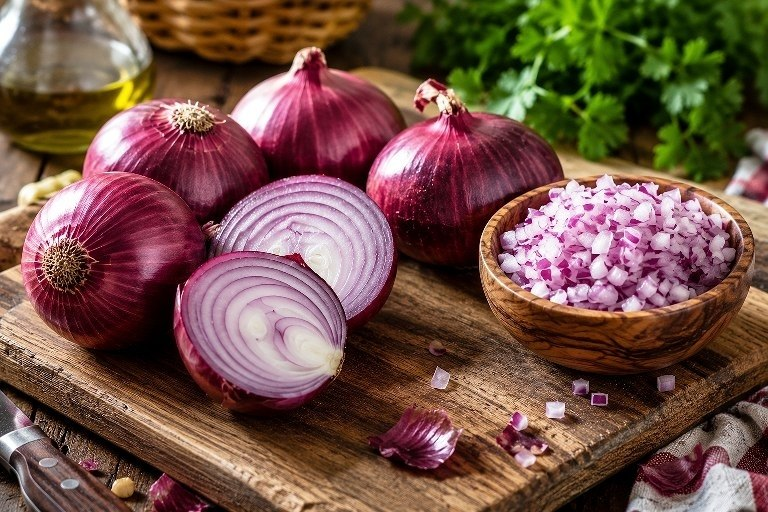
Onions contain quercetin, organosulfur compounds, flavonoids, and antioxidant phytochemicals studied for anti-inflammatory and pain-related pathways.
A review on onion compounds suggested that onions and their derivatives may exert anti-inflammatory, antioxidant, and immunomodulatory effects. An experimental animal study has also demonstrated analgesic and anti-inflammatory effects of onion juice preparation.
Onions are often cooked together with garlic, ginger, turmeric, and vegetables in traditional diets. Slow cooking may reduce pungency and improve tolerance for some individuals while preserving many beneficial compounds.
16. Purple Sweet Potatoes
Purple sweet potatoes contain anthocyanins, antioxidant pigments studied for inflammatory balance, cartilage protection, and oxidative stress reduction.
Research on purple sweet potato anthocyanins suggested improvements in rheumatoid arthritis-related inflammation and inflammatory signaling pathways.
Another study reported that purple sweet potato extract rich in anthocyanins may help reduce inflammation and cartilage degeneration linked with gout and inflammatory joint conditions.
Anthocyanins are also found in berries, purple cabbage, and eggplant skin, and are widely studied for antioxidant and anti-inflammatory properties. Purple sweet potatoes are often easier to digest and retains antioxidants when boiled, steamed, or baked with some spices rather than heavily fried or ultra-processed into bread or patty.
17. Eggplant
Eggplant contains nasunin, anthocyanins, flavonoids, and antioxidant compounds studied for oxidative stress reduction and inflammatory balance.
Research suggests that nasunin, an anthocyanin from eggplant peels, has potential anti-inflammatory effects that may benefit arthritis symptoms and could help reduce oxidative stress and and free radical damage linked with inflammatory conditions such as rheumatoid arthritis.
Eggplant belongs to the nightshade family, alongside tomatoes and peppers. While some people with arthritis report sensitivity to nightshades, many others tolerate cooked eggplant well.
Traditional cuisines often prepare eggplant by roasting, slow cooking, steaming, or cooking with garlic, onions, tomatoes, turmeric, ginger, and olive oil which provide stronger pain relieving effects in arthritic patients. Hence preparation methods matter significantly and changes how it impacts the body.
18. Okra
Okra contains polyphenols, flavonoids, antioxidants, and fiber studied for inflammatory balance and metabolic health.
A systematic review on okra and inflammatory mediators reported reductions in inflammatory markers such as CRP, IL-1β, IL-6, and TNF-α across several preclinical studies. Although direct human arthritis trials remain limited, researchers suggested that okra may influence inflammatory pathways linked with chronic inflammatory diseases.
Okra is commonly cooked in soups, curries, stews, and traditional dishes. Cooking improves texture and digestibility while reducing sliminess and hence better tolerated by people with weak digestion compared to drinking okar water which can cause bloating and digestive issues in some people.
19. Horseradish
Horseradish contains glucosinolates and isothiocyanates, compounds studied for antioxidant and anti-inflammatory properties.
Researchers have suggested that glucosinolates may help influence inflammation and oxidative stress pathways associated with osteoarthritis and chronic inflammatory conditions.
Another review described horseradish as a functional food rich in bioactive compounds with potential anti-inflammatory and health-supportive effects.
Because horseradish can be pungent, many people prefer it in small cooked or mixed preparations rather than large raw amounts.
20. Bell Peppers
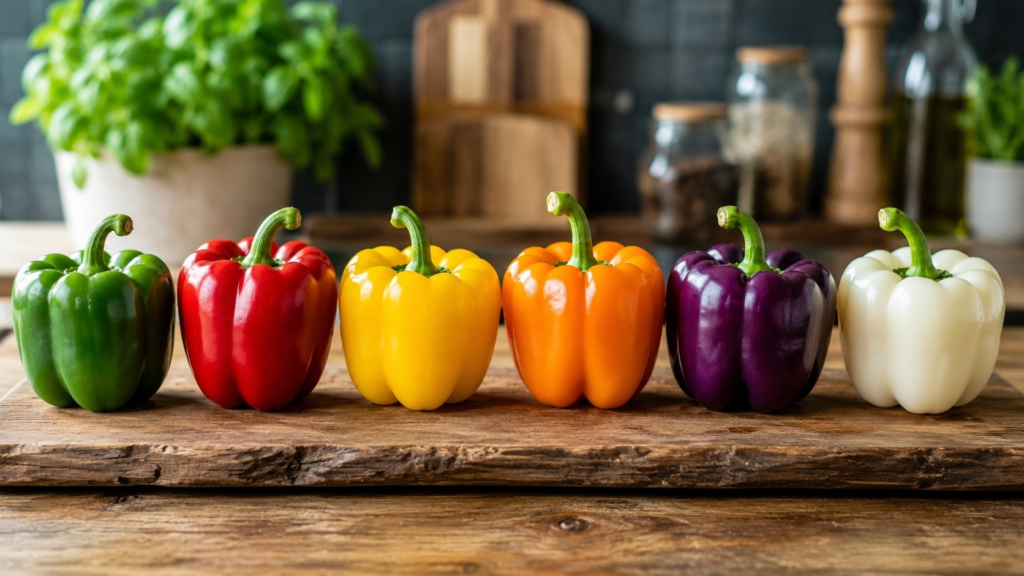
Bell peppers and chili peppers contain capsaicin, carotenoids, vitamin C, and antioxidant compounds studied for inflammatory balance and pain pathways.
Research suggests that capsaicin may help reduce osteoarthritis-related pain when used in topical preparations. Experimental studies also suggest that capsaicin may also influence rheumatoid arthritis-related cellular pathways thereby helps in reducing pain and inflammation .
While concentrated capsaicin products differ from ordinary food intake, peppers still provide antioxidants and phytochemicals that may contribute to overall dietary quality. Some individuals tolerate cooked peppers better than raw peppers, especially when combined with cooked meals and healthy fats.
Whole Vegetables vs Extracts: What Research Actually Shows
It is important to understand that many arthritis studies on vegetables use concentrated extracts, isolated compounds, powders, juices, capsules, or supplemental forms rather than ordinary food portions alone.
For example:
•broccoli studies often focus on sulforaphane
•turmeric studies commonly use concentrated curcumin extracts
•mushroom studies may use polysaccharide extracts
•beetroot studies may use betalain concentrates
Whole vegetables still provide fiber, antioxidants, vitamins, minerals, and complex phytochemicals that may work together synergistically.
Interestingly, both traditional medicine systems and modern scientific research increasingly support the potential anti-inflammatory and joint-supportive properties of vegetables such as ginger, garlic, turmeric, moringa, bitter melon, cabbage, and leafy greens.
Are Nightshade Vegetables Bad for Arthritis?
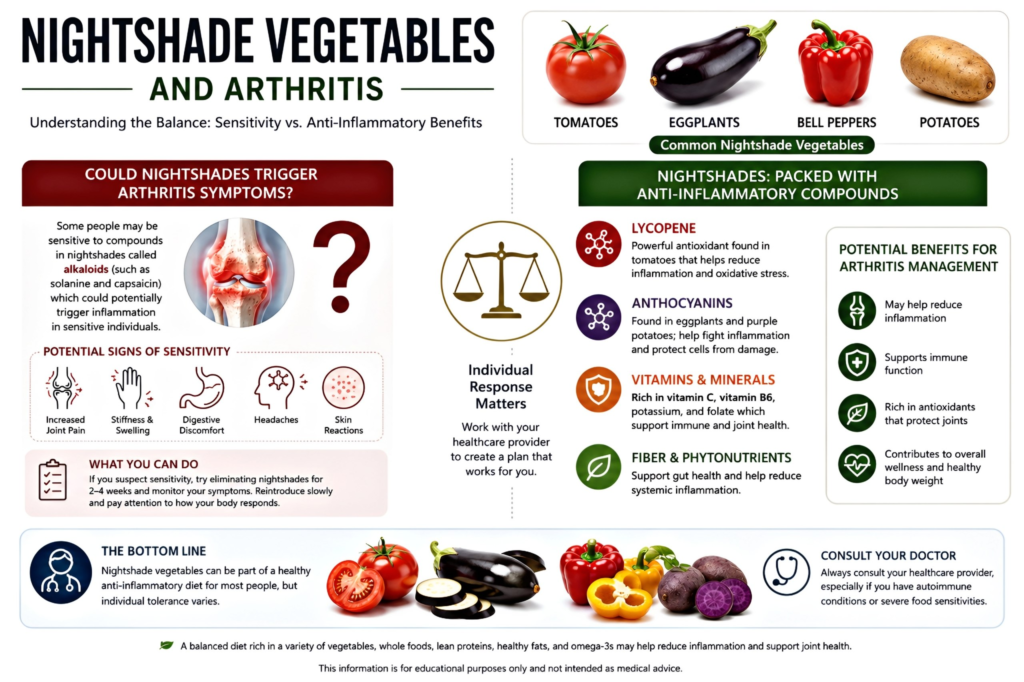
Nightshade vegetables include tomatoes, eggplants, peppers, and potatoes. Some people with arthritis report that these foods worsen their symptoms, while many others tolerate them without any noticeable problems.
Scientific evidence on nightshades and arthritis remains mixed. Some individuals may be sensitive to certain foods, while others experience no issues at all.
Importantly, preparation methods may matter significantly which is often neglected by modern research studies.
For example, research shows cooked tomatoes provide more bioavailable lycopene than raw tomatoes, especially when combined with healthy fats such as olive oil. A comprehensive research on lycopene also suggests that lycopene may help reduce oxidative stress and inflammatory activity linked with osteoarthritis and rheumatic diseases. Thats is why many experience pain relief when eating cooked tomatoes this way.
Eggplants also contain nasunin and anthocyanins studied for antioxidant and inflammation-related pathways. Traditional cooking systems often combine tomatoes and eggplants with:
•garlic
•onions
•ginger
•turmeric
•herbs
•olive oil slow-cooked preparations
These combinations may affect digestion and alter inflammatory responses differently from what is studied in lab and animal studies. Because arthritis triggers vary between individuals, some people tolerate cooked nightshade vegetables an very well while others may choose to limit them based on personal experience.
Why Cooking Methods Matter for Arthritis
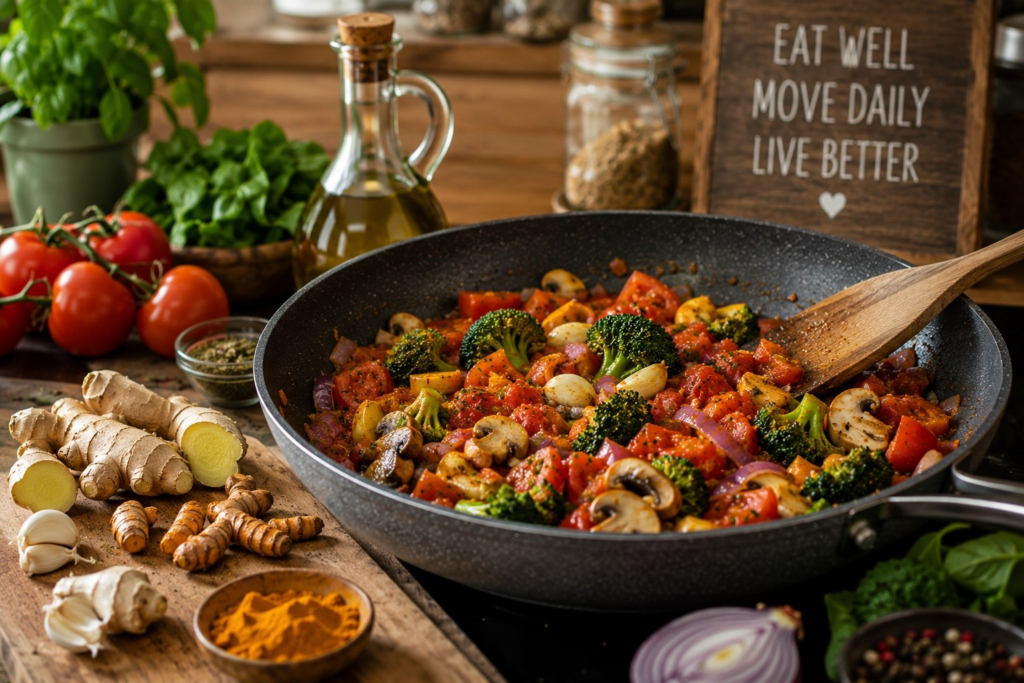
Cooking methods can significantly influence how vegetables affect digestion, nutrient absorption, and inflammatory pathways.
In some cases, cooking may improve the availability of beneficial compounds:
•cooked tomatoes may provide more bioavailable lycopene
•turmeric absorption improves with fat and black pepper
•lightly cooked carrots may improve carotenoid absorption
•cooked spinach may reduce oxalate levels
•steaming cruciferous vegetables may help preserve certain compounds
Traditional dietary systems have long emphasized cooked vegetable preparations, soups, broths, stews, herbs, and spices rather than ultra-processed foods.
Cooking vegetables with:
•garlic
•ginger
•turmeric
•onions
•olive oil
•herbs may create synergistic combinations that modern research is increasingly investigating for inflammatory balance.
Preparation quality also matters:
•lightly cooked vegetables
•slow-cooked meals
•minimally processed foods may affect the body differently than:
•ultra-processed foods
•excessive deep frying
•eating wiht processed snacks
Many people with arthritis also report that warm cooked meals prepared in traditional ways are easier to digest than large amounts of raw vegetables and also experience pain reducing effects in arthritis conditions.
A Simple Arthritis-Friendly Vegetable Ideas
People do not need to eat perfect diets to support joint health. Small sustainable habits may matter more than extreme restrictions.
Examples of arthritis-friendly vegetable meals may include:
•broccoli sautéed with garlic and olive oil
•turmeric ginger vegetable soups
•moringa leaf curry
•beetroot salad with herbs
•spinach cooked with garlic and onions
•cabbage soups or stir-fries
•roasted carrots with spices
•cooked tomato curries
•mushroom soups
•mixed vegetable stews
Combining vegetables with:
•healthy fats such as olive oil, ghee
•spices
•herbs
•fiber-rich foods
•protein sources may support overall dietary balance.
And finally hydration, sleep, physical activity, stress management, and weight management also remain important parts of arthritis care.
Frequently Asked Questions
Which vegetable is best for arthritis?
Several vegetables show promising arthritis-related research, including broccoli, garlic, ginger, moringa, mushrooms, beetroot, kale, spinach, cabbage, and carrots. Broccoli is especially well studied because of sulforaphane, a compound linked with cartilage protection and inflammatory balance.
Is broccoli good for osteoarthritis?
Research suggests that broccoli contains sulforaphane, which may help influence cartilage destruction and inflammatory pathways linked with osteoarthritis. Human studies have also shown that broccoli compounds can reach joint tissues.
Is moringa good for rheumatoid arthritis?
Several studies suggest that moringa may help influence inflammatory markers and rheumatoid arthritis disease activity. Human studies reported reductions in IL-6 and improvements in disease activity scores.
Are tomatoes bad for arthritis?
Some people report sensitivity to tomatoes, while many others tolerate them well. Scientific evidence remains mixed. Cooked tomatoes provide lycopene, a compound studied for oxidative stress reduction and inflammatory balance.
Can cooking vegetables help arthritis diets?
Cooking may improve digestibility and nutrient availability for some vegetables. For example, cooked tomatoes may increase lycopene availability, while cooked spinach may reduce oxalates. Preparation methods can influence how foods affect the body.
Final Thoughts
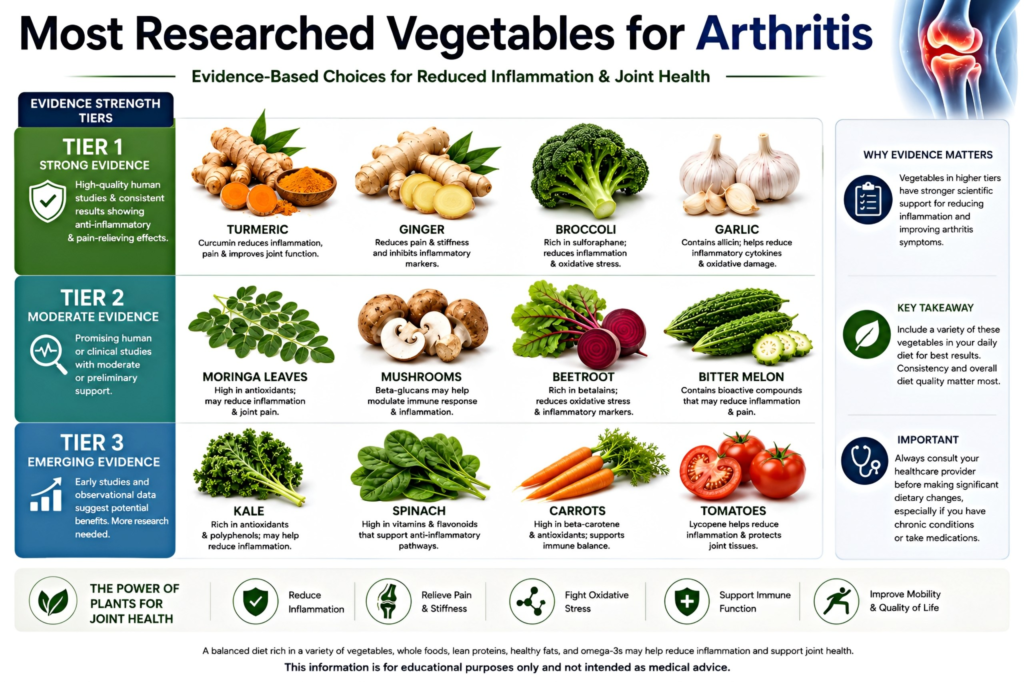
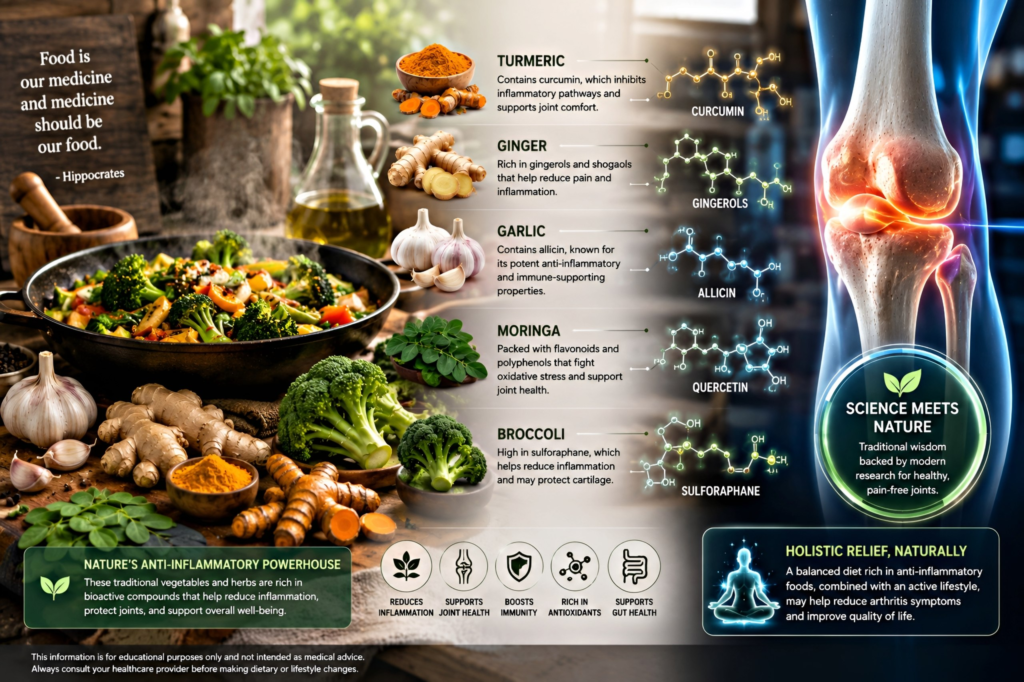
A healthy diet rich in vegetables may help support inflammatory balance, antioxidant defenses, oxidative stress reduction, and joint health in people living with arthritis.
Vegetables such as broccoli, garlic, ginger, turmeric, moringa, mushrooms, beetroot, kale, spinach, cabbage, carrots, tomatoes, onions, and bitter melon contain compounds studied for cartilage protection, inflammatory pathway modulation, immune balance, and joint support.
Importantly, vegetables alone cannot cure arthritis. The best results usually come from combining:
•a nutrient-rich diet
•proper medical care
•regular movement and exercise
•stress management
•healthy sleep
•weight management
•healthy lifestyle habits
Modern scientific research is increasingly supporting what many traditional dietary systems have emphasized for centuries — regularly consuming cooked vegetables, herbs, spices, and minimally processed foods may support long-term health and inflammatory balance.
At the same time, individual responses can vary. Some people tolerate certain vegetables very well, while others may notice sensitivities to particular foods or preparation methods.
Rather than focusing on fear-based restrictions, many people may benefit more from:
•increasing whole foods
•reducing ultra-processed foods
•improving cooking quality
•eating a wider variety of vegetables
•building sustainable habits over time
The goal is not perfection. The goal is building a dietary pattern that supports overall health, mobility, energy, and quality of life.
Related Guides
15 best anti inlfammatory foods for arthritis
15 Best Fruits for Arthritis Backed by Research
10 Natural Ways to Reduce Joint Pain Without Painkillers
Best supplements for osteoarthritis
Best supplements for rheumatoid arthritis
About the Moviva Research Team
The Moviva Research Team focuses on evidence-based wellness, nutrition, inflammation research, and natural health topics. Our goal is to simplify scientific research into practical, reader-friendly health information backed by published studies and clinical evidence.
We analyze human trials, animal studies, systematic reviews, meta-analyses, and emerging research adn sometimes traditional medicines uses related to arthritis, joint health, inflammation, nutrition, supplements, and lifestyle medicine to make science and experinece based articles for the public.
Medical Disclaimer
This article is for educational and informational purposes only and does not constitute medical advice. Always consult a qualified healthcare professional before making dietary or supplement changes, especially if you have arthritis or take medications.