Introduction
As women age, nutritional needs, hormone balance, muscle mass, bone density, and metabolic health can gradually change. After the age of 40, many women begin experiencing symptoms related to perimenopause, inflammation, reduced energy levels, joint discomfort, sleep disturbances, and changes in cardiovascular and metabolic health. Because of this, many researchers have investigated the best supplements for women over 40 that may support healthy aging and overall wellness.
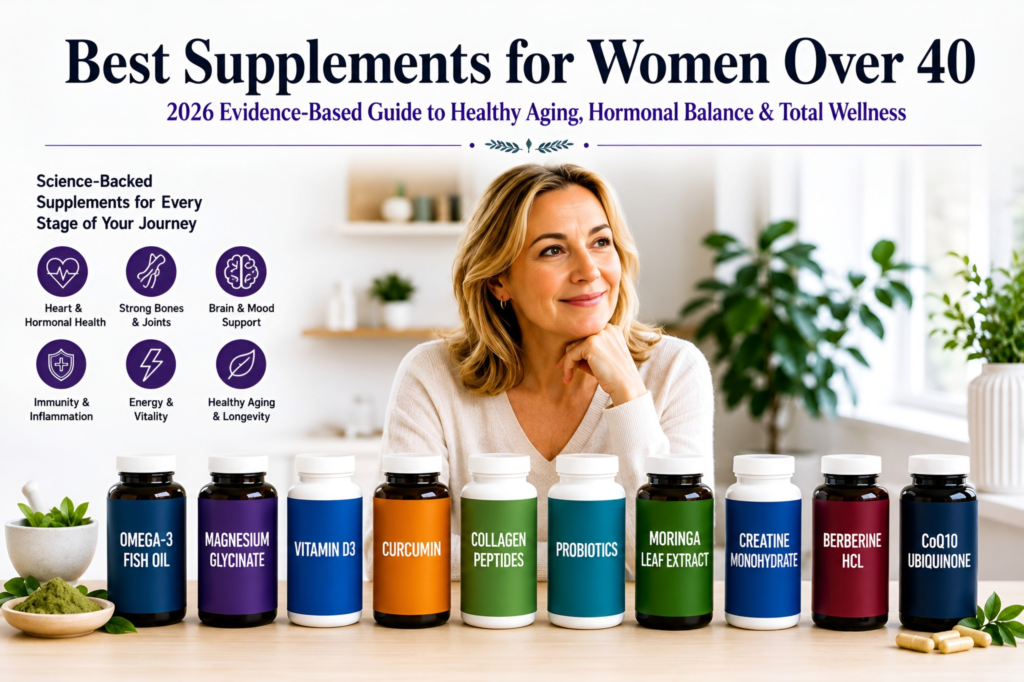
While no supplement can replace a healthy lifestyle, growing scientific evidence suggests that certain nutrients and bioactive compounds may help support bone health, muscle function, brain health, inflammation balance, energy production, and hormonal well-being. Some of the most researched supplements for women over 40 include omega-3 fatty acids, magnesium, vitamin D, curcumin, collagen peptides, creatine, probiotics, moringa, berberine, and CoQ10.
This guide is based on randomised controlled trials/studies and we review the best supplements for women over 40 using findings from human clinical trials, systematic reviews, and meta-analyses. The goal is not to promote miracle cures, but to explore which supplements currently have the strongest scientific support for healthy aging, women’s wellness, and long-term health support.
Why Nutritional Needs Change After 40
After the age of 40, the body naturally undergoes several physiological and hormonal changes that can influence nutritional requirements and overall health. Factors such as declining estrogen levels, reduced muscle mass, lower bone density, increased oxidative stress, and metabolic changes may affect energy levels, cardiovascular health, mood, sleep quality, and joint function.
Women over 40 may also experience changes related to perimenopause and menopause, including hot flashes, fatigue, sleep disturbances, mood fluctuations, and shifts in body composition. In addition, aging may reduce the body’s ability to efficiently absorb or utilize certain nutrients, making nutritional support increasingly important.
Researchers have also linked aging with increased inflammation and oxidative stress, both of which may contribute to chronic health conditions over time. Because of this, many evidence-based supplements for women over 40 focus on supporting healthy aging pathways, inflammatory balance, bone strength, muscle preservation, metabolic health, cognitive function, and immune regulation.
However, supplement needs vary from person to person depending on factors such as diet, activity level, medical history, hormonal status, medications, and existing nutrient deficiencies.
Common Health Concerns in Women Over 40
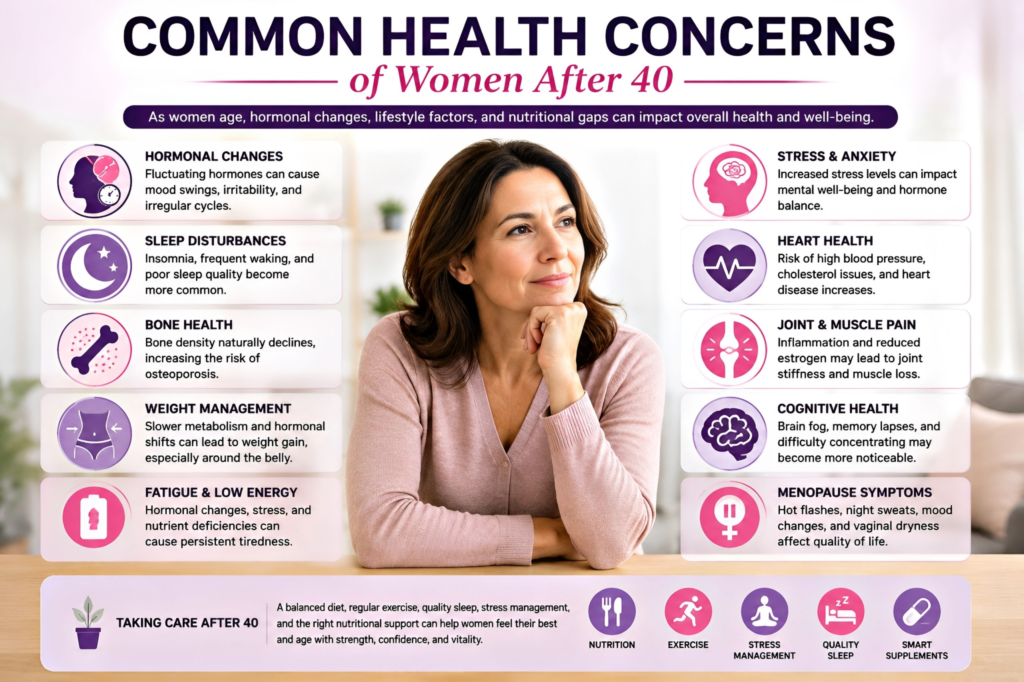
Although every woman ages differently, several health concerns become increasingly common after the age of 40.
Hormonal Changes & Perimenopause
Fluctuating hormone levels during perimenopause and menopause may contribute to symptoms such as hot flashes, mood changes, sleep disturbances, fatigue, and changes in body composition.
Bone Health & Muscle Loss
Women are at increased risk of age-related bone density loss after menopause due to declining estrogen levels. Muscle mass and strength may also gradually decline with age, which can affect mobility, metabolism, and physical function.
Joint Discomfort & Inflammation
Low-grade chronic inflammation and joint discomfort may become more noticeable with aging. Researchers have explored several anti-inflammatory supplements for women over 40 that may help support joint health and mobility.
Cardiovascular & Metabolic Health
Changes in cholesterol levels, blood pressure, insulin sensitivity, and metabolic health may occur with age. Maintaining cardiovascular health becomes increasingly important after 40.
Energy, Fatigue & Sleep
Many women experience fatigue, lower energy levels, sleep disturbances, or increased stress during midlife. Nutrients involved in mitochondrial energy production, sleep regulation, and nervous system function are often studied in this area.
Brain Health & Cognitive Function
Healthy aging also involves supporting memory, focus, and long-term cognitive function. Researchers continue to study how inflammation, oxidative stress, and nutrition may influence brain health over time.
Gut Health & Immune Function
The gut microbiome plays an important role in digestion, immunity, inflammatory balance, and nutrient absorption. Emerging evidence suggests gut health may influence several aspects of healthy aging and overall wellness in women over 40.
1. Omega-3 Fatty Acids
Omega-3 fatty acids are among the most extensively researched supplements for women over 40. Found naturally in fatty fish and fish oil, omega-3s contain important compounds such as EPA (eicosapentaenoic acid) and DHA (docosahexaenoic acid), which play key roles in inflammation regulation, cardiovascular health, brain function, and healthy aging.
Researchers have investigated omega-3 supplementation for several health concerns that commonly affect women after 40, including inflammation, joint discomfort, cardiovascular health, muscle preservation, menopause-related cognitive changes, metabolic health, and premenstrual symptoms.
Potential Benefits of Omega-3 for Women Over 40
•May help support cardiovascular health
•May help maintain healthy inflammatory balance
•Supports brain and cognitive health
•May help support muscle mass during aging
•May support healthy metabolic function
•May help support mood and overall well-being
•Studied for PMS and menopause-related symptoms
What Research Shows
Several randomized controlled trials and systematic reviews suggest omega-3 fatty acids may provide broad health benefits for women over 40, particularly in areas related to inflammation, healthy aging, metabolic health, and cognitive function. Because inflammation and oxidative stress are closely linked with aging, omega-3 fatty acids are often considered one of the most evidence-based supplements for women over 40 for insulin resistance, PMS, fertility, cognitive health, muscle mass, rheumatoid arthritis and osteoarthritis.
Rheumatoid Arthritis
The Long-term clinical trial in rheumatoid arthritis patients suggest omega-3 supplementation may reduce joint tenderness, morning stiffness, and disease activity. Some studies also reported reduced reliance on nonsteroidal anti-inflammatory drugs (NSAIDs) among participants receiving fish oil supplementation.
Osteoarthritis
A 2023 Meta-analyses of randomized controlled trials (RCTs) published in Journal of Orthopaedic Surgery and Research osteoarthritis patients suggest omega-3 fatty acids may modestly improve pain and physical function, particularly in knee osteoarthritis. However, results remain somewhat inconsistent due to differences in dosage and study duration.
Muscle Mass
Research trial published in 2010 has shown that omega-3 supplementation may help support muscle mass and physical function in older adults, while other studies have explored potential benefits for cardiovascular health, cognition, metabolic health, and inflammatory regulation.
PMS and Menopause Symptoms
Research trial published in 2017 has also studied omega-3 fatty acids in women experiencing PMS and menopause-related symptoms. Some evidence suggests omega-3 supplementation may help improve quality of life and support cognitive health during menopause. Additional studies have explored omega-3 supplement intake in metabolic health, insulin sensitivity, and fertility-related outcomes.
Menopause Related Cognitive Health
Researchers have additionally explored omega-3 fatty acids for menopause-related cognitive health. Some evidence from clinical trials suggests omega-3 supplementation may help support cognitive function, brain health, and overall quality of life during menopause and aging.
Insulin resistance and Metabolic Health
Meta-analyses of randomised trials have also investigated the potential role of omega-3 fatty acids in insulin resistance, metabolic health, sarcopenia, and inflammatory regulation. Because chronic inflammation and oxidative stress are closely linked with aging, omega-3 fatty acids continue to be widely studied for healthy aging support.
Fertility Related Outcomes
Additional meta analysis of research trials has investigated omega-3 intake in fertility-related outcomes. A recent meta-analysis suggested omega-3 supplementation may support fertility and reproductive health in women undergoing assisted reproductive treatments.
Because of their broad range of researched benefits researchers continue to study omega-3 fatty acids for their potential role in cardiovascular health, metabolic health, cognitive aging, inflammation regulation, and overall long-term wellness.
Common Dose Used in Studies
Typical doses used in clinical studies range from 1000–3000 mg daily of combined EPA and DHA, depending on the specific health outcome being studied.
2. Magnesium
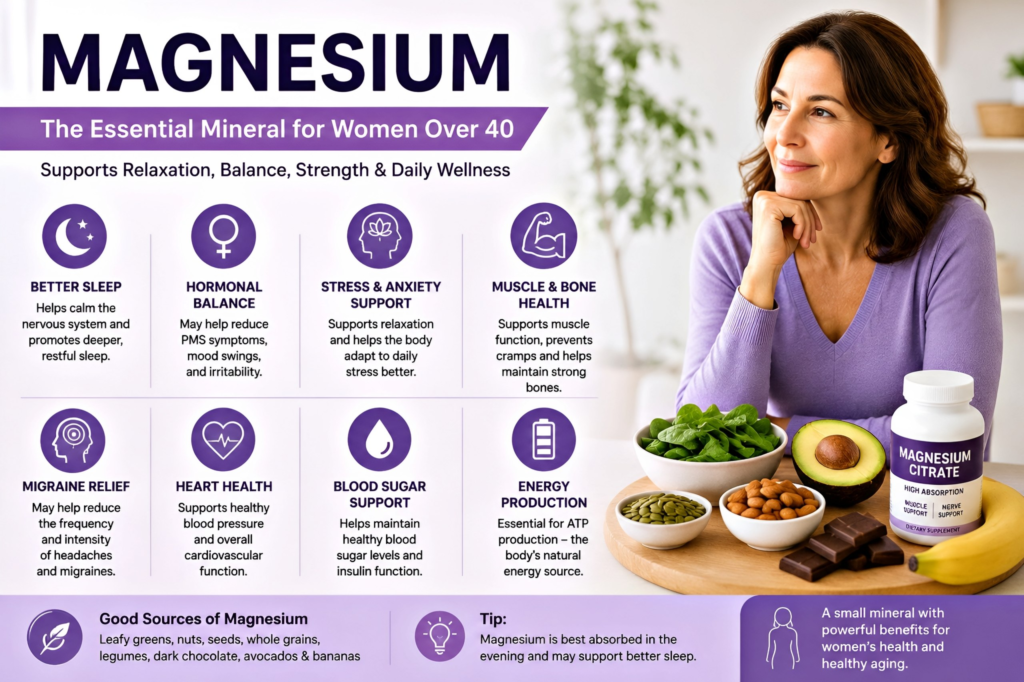
Magnesium is one of the most important minerals involved in hundreds of biological processes in the human body. Researchers have studied magnesium for muscle function, nervous system regulation, sleep quality, cardiovascular health, bone metabolism, mood balance, inflammation, and healthy aging.
Because magnesium deficiency may become more common with age, many researchers consider magnesium one of the most important supplements for women over 40, particularly for stress management, sleep support, PMS symptoms, metabolic health, and cardiovascular wellness.
Potential Benefits of Magnesium for Women Over 40
•May help support sleep quality and relaxation
•May help support mood and stress regulation
•Supports muscle and nervous system function
•May help support bone health and healthy aging
•Studied for PMS and menstrual symptoms
•May help support cardiovascular and metabolic health
•May help maintain healthy inflammatory balance
•Studied for migraine prevention and overall well-being
What Research Shows
Premenstrual Symptoms
Small Randomised clinical trial and systematic reviews of clinical trials suggest magnesium supplementation may help support premenstrual symptoms and mood regulation in women. Researchers have investigated magnesium for PMS-related symptoms, emotional well-being, and overall quality of life.
Sleep Quality and Insomnia
A systematic review & meta-analysis published in BMC Complement Medicine and Therapies have also studied magnesium for sleep quality and insomnia in older adults. Evidence suggests magnesium supplementation may help support relaxation, sleep regulation, and nervous system function during aging.
Stress-Related Symptoms
Magnesium has additionally been investigated for stress-related symptoms, anxiety, and mood balance. Review studies of clincial trials have explored how magnesium status may influence the body’s stress response and overall mental well-being.
Bone Health
Bone health is another major area of magnesium research. A 2025 meta-analyses have investigated magnesium supplementation for osteoporosis, bone turnover markers, and healthy bone metabolism. Because bone density naturally declines with age, magnesium continues to be studied as an important nutrient for healthy bones in women over 40.
Inflammatory Markers
Researchers have also explored magnesium for inflammatory balance. A meta-analyses publihsed in 2018 on pubmed suggest magnesium supplementation may help reduce inflammatory markers such as C-reactive protein (CRP), which is commonly associated with chronic inflammation and aging.
Migraine
Magnesium has also been widely studied for migraine prevention. Systematic reviews suggest magnesium supplementation may help support neurological health and reduce the frequency of migraines in some individuals.
Depression
Additional systematic review and meta-analysis of randomized clinical trials has investigated magnesium supplementation in depression and research uggests that magnesium supplementation can have a beneficial effect on depression.
Blood Pressure
A meta-analysis of randomized controlled trials published in 2024 blood pressure regulation, cardiovascular health, and metabolic function. The findings of this meta analysis showed an overall decrease of SBP and DBP with magnesium supplementation, particularly at doses of ≥400 mg/day for ≥12 weeks.
Blood Sugar Control
A 2021 meta-analysis of randomized controlled trials suggest that Mg supplementation appears to have a beneficial role and improves glucose parameters in people with diabetes and may improve insulin-sensitivity parameters in those at high risk of diabetes.
Cortisol Regulation
Researchers have also investigated magnesium supplementation for cortisol regulation and stress-related hormone balance. In a randomized controlled trial publihsed in Clinical Endocrinology , long-term magnesium supplementation was associated with lower urinary cortisol excretion and changes in glucocorticoid metabolism. Researchers suggested this may represent another potential mechanism through which magnesium supports cardiovascular health and stress regulation during aging.
Researchers continue to study magnesium for its potential role in heart health, glucose metabolism, inflammation regulation, and long-term healthy aging. Because magnesium is involved in numerous biological pathways throughout the body, it is often considered one of the most evidence-based supplements for women over 40.
Common Dose Used in Studies
Clinical studies commonly use magnesium doses ranging from 250–550 mg daily, depending on the specific health outcome being studied and the form of magnesium used.
3. Vitamin D
Vitamin D is one of the most extensively researched nutrients involved in bone health, immune regulation, muscle function, and healthy aging. Vitamin D receptors are widely distributed throughout the body, including in immune cells, muscles, bones, and several other tissues, which is why researchers continue to study vitamin D for a broad range of health outcomes in women over 40.
As women age, maintaining adequate vitamin D levels becomes increasingly important because vitamin D deficiency has been associated with bone loss, reduced muscle function, immune dysregulation, and several age-related health concerns
Potential Benefits of Vitamin D for Women Over 40
•Supports bone density and musculoskeletal health
•May help support immune regulation
•Studied for healthy aging and longevity
•Supports muscle function and mobility
•May help support thyroid and autoimmune health
•Studied for fertility and reproductive health
•May help support pregnancy-related health outcomes
•Important for overall women’s wellness and healthy aging
What Research Shows
Rheumatoid Arthritis Support
The Long-term clinical trial in rheumatoid arthritis patients suggest omega-3 supplementation may reduce joint tenderness, morning stiffness, and disease activity. Some studies also reported reduced reliance on nonsteroidal anti-inflammatory drugs (NSAIDs) among participants receiving fish oil supplementation.
Osteoarthritis Support
A 2023 Meta-analyses of randomized controlled trials (RCTs) published in Journal of Orthopaedic Surgery and Research osteoarthritis patients suggest omega-3 fatty acids may modestly improve pain and physical function, particularly in knee osteoarthritis. However, results remain somewhat inconsistent due to differences in dosage and study duration.
Bone Mineral Density
A 2021 systematic review and meta-analyses have investigated vitamin D supplementation for bone density and musculoskeletal health. Research suggests vitamin D may help support bone mineral density and reduce the risk of fractures, particularly in aging adults and postmenopausal women.
Healthy Aging and Longevity
Vitamin D has also been widely studied for healthy aging and longevity. A 4-year findings from the VITamin D and OmegA-3 TriaL (VITAL) randomized controlled trial of supplementation with 2000 IU/day vitamin D3 reduced telomere attrition by 140 bp, suggest that vitamin D3 daily supplementation with or without omega 3 might have a role in reducing telemores aging. Researchers continue to investigate how vitamin D status may influence biological aging pathways, cellular aging markers, and overall long-term health outcomes.
Immune Regulation
Researchers have additionally explored vitamin D for immune regulation and inflammatory balance. A large network meta-analysis involving more than 100,000 adults investigated vitamin D supplementation for respiratory and influenza-related outcomes, highlighting the growing research interest in vitamin D and immune function.
Autoimmune Thyroid Conditions
Several clinical studies have also examined vitamin D supplementation in autoimmune thyroid conditions such as Hashimoto’s thyroiditis. A 2021 meta-analyses published in Sage Journal suggest vitamin D supplementation may help influence thyroid autoimmunity markers and immune-related pathways.
Fertility-Related Outcomes
Vitamin D has furthermore been studied for women’s reproductive health and fertility-related outcomes. Systematic reviews suggest vitamin D therapy have beneficial impact on fertility outcomes regarding the number of dominant follicles, ovulation rate, and pregnancy rate.
PCOS & Hormonal Health
Vitamin D can also help in improving fertility outcomes in women with PCOS. A systematic review and meta-analysis published in 2023 Vitamin D supplement contribute to the higher pregnancy and ovulation rates, and lower androgen, LH, FSH and early miscarriage rates in women with PCOS, regardless of the use of ovulation induction drugs
Effect on Pregnancy Related Outcomes
Researchers have also explored the role of vitamin D during pregnancy. Umbrella review of systematic reviews and meta-analyses published in Nutriton and Diabetes have investigated how vitamin D supplementation may influence maternal and offspring health-related outcomes during pregnancy. Vitamin D supplement in pregnancy increases birth weight, and reduces the risk of maternal pre-eclampsia, miscarriage, and vitamin D deficiency, fetal or neonatal mortality, as well as ADHD (attention-deficit hyperactivity disorder), and autism in children.
All Cause Mortailty
Accumulating evidences has additionally linked adequate vitamin D status with healthy aging and lower all-cause mortality risk.
Total Cancer Mortality
And finally Researchers have also investigated vitamin D supplement for long-term health outcomes and cancer-related mortality. An updated meta-analysis of randomized controlled trials reported that vitamin D supplementation significantly reduced total cancer mortality, although it did not significantly reduce total cancer incidence. Researchers noted that daily vitamin D dosing appeared more beneficial than infrequent high-dose bolus supplementation which is why vitamin D remains one of the most evidence-based supplements for women over 40.
4. Curcumin
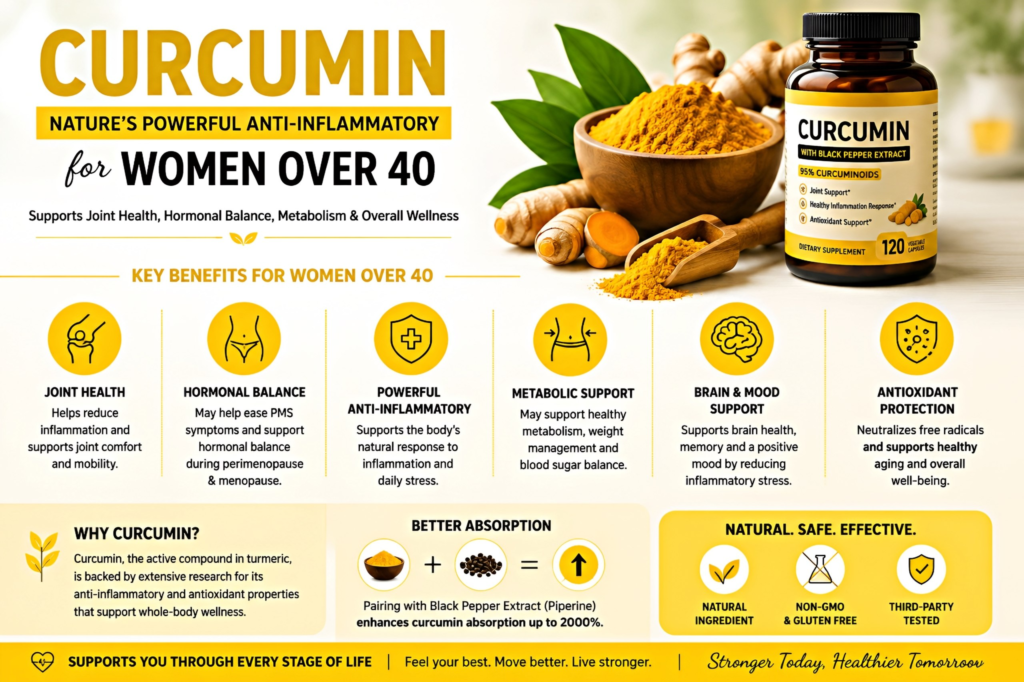
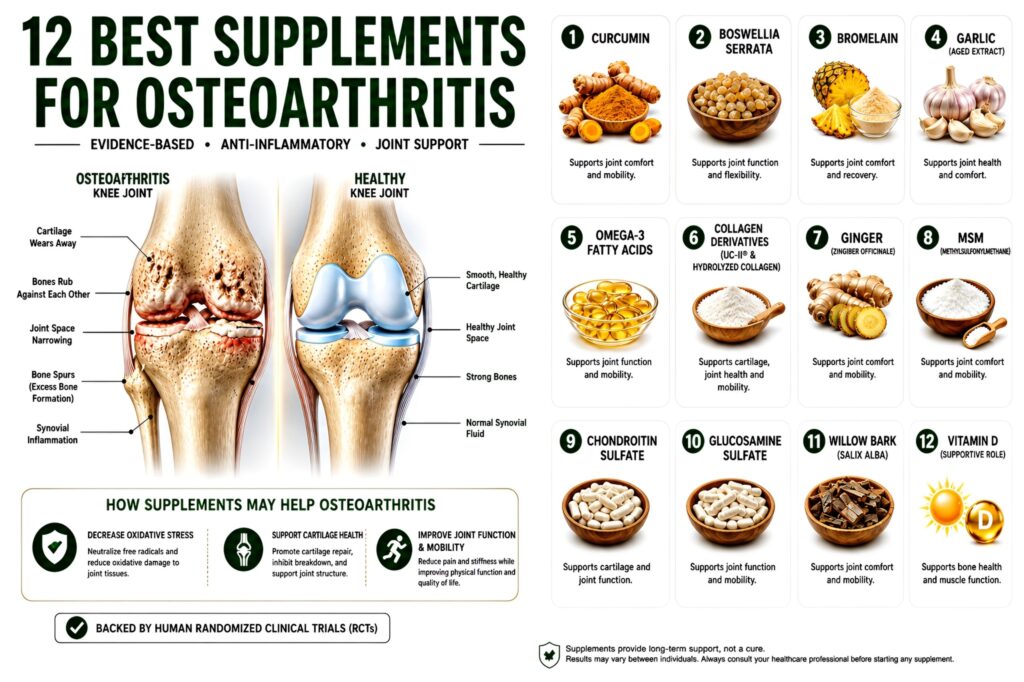
Curcumin is the primary bioactive compound found in turmeric and is one of the most extensively researched natural compounds for inflammation, joint health, metabolic health, and healthy aging. Because chronic inflammation and oxidative stress are closely linked with aging and several women’s health concerns, curcumin continues to attract significant scientific interest.
Researchers have investigated curcumin supplementation for rheumatoid arthritis, osteoarthritis, PMS symptoms, metabolic health, lipid metabolism, and polycystic ovary syndrome (PCOS). Curcumin is also widely studied for its antioxidant and anti-inflammatory properties.
Potential Benefits of Curcumin for Women Over 40
•May help support inflammatory balance
•Studied for joint health and mobility
•May help support healthy aging and oxidative stress regulation
•Studied for PMS and menstrual discomfort
•May help support metabolic and glucose health
•Studied for lipid and cholesterol metabolism
•May help support women with PCOS
•Supports overall wellness and inflammatory regulation
What Research Shows
Rheumatoid Arthritis Support
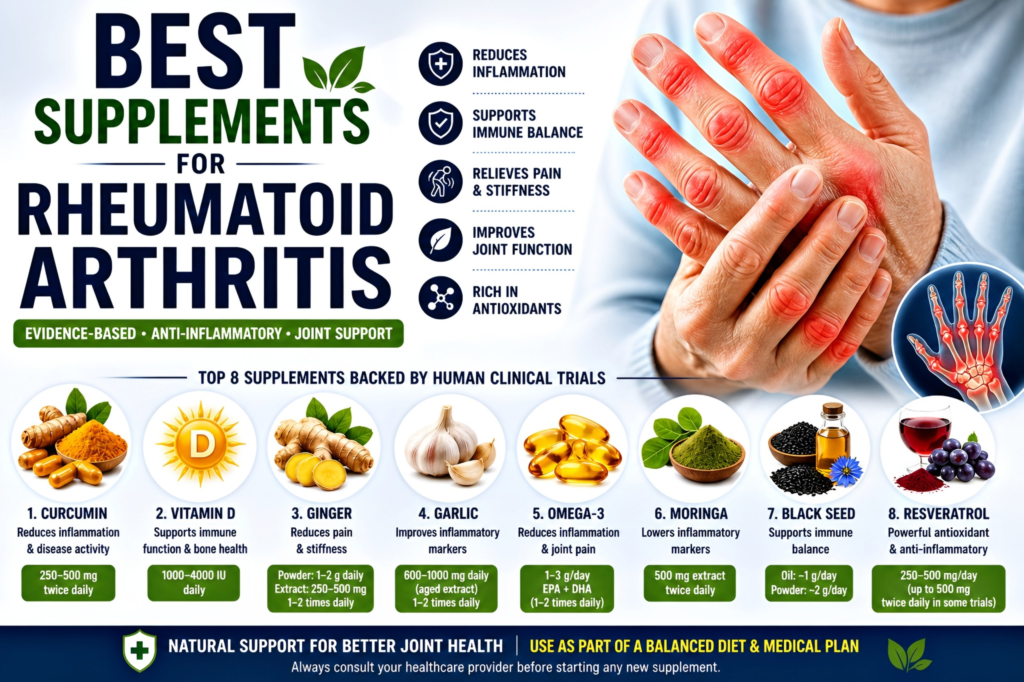
Several randomized controlled trials and meta-analyses suggest curcumin supplementation may help reduce disease activity, joint tenderness, and inflammatory markers in rheumatoid arthritis patients. A 2023 systematic review published in Frontiers in Immunology reported improvements in inflammatory outcomes and clinical symptoms compared with placebo groups.
Osteoarthritis Support
Human studies in knee osteoarthritis have also shown promising results. A systematic review of randomised controlled trials found turmeric and curcumin extracts may help improve pain scores and physical function in individuals with knee osteoarthritis, with some studies reporting effects comparable to common pain medications.
Anti-inflammatory Effects
Researchers have also explored curcumin for its anti-inflammatory effects in rheumatoid arthritis. Meta-analyses suggest curcumin supplementation may influence inflammatory pathways and markers commonly associated with chronic inflammation and oxidative stress.
PMS & Dysmenorrhea
A 2025 recent research trial has investigated curcumin supplementation for premenstrual syndrome (PMS) and dysmenorrhea. Studies suggest curcumin may help support menstrual comfort, inflammatory balance, and overall quality of life in women experiencing menstrual-related symptoms.
PCOS & Hormonal Health
Several systematic reviews and meta-analyses have explored curcumin supplementation in women with polycystic ovary syndrome (PCOS). Research suggests curcumin may help support inflammatory regulation, metabolic health, body weight management, and hormonal-related metabolic pathways in women with PCOS.
Glycemic Control & Metabolic Health
Researchers have additionally studied curcumin for glycemic control and lipid metabolism in women with PCOS and metabolic abnormalities. Some evidence from meta analysis of clinical trials suggests curcumin supplementation may help support healthy glucose metabolism and insulin-related pathways without major adverse effects.
Cholesterol & Lipid Health
Review studies have also investigated curcumin supplementation for cholesterol and lipid metabolism. Researchers have explored how curcumin may influence triglycerides, LDL cholesterol, HDL cholesterol, and other lipid-related markers. The meta anaylsis of randomised trials conlcuded that Turmeric/curcumin supplementation seems to be effective in improving blood levels of TC, TG, LDL-c, and HDL-c
Cardiovascular Risk & LDL Cholesterol
Some clinical studies in adults at cardiovascular risk have reported reductions in LDL cholesterol levels following curcumin supplementation. However, researchers note that findings remain somewhat mixed because of differences in study duration, dosage, formulations, and participant characteristics.
Healthy Aging & Oxidative Stress
An additional 2025 umbrella review of intervention meta-analyses evaluated curcumin across multiple health outcomes, including inflammatory markers, lipid profiles, blood pressure, musculoskeletal health, emotional well-being, cognitive function, rheumatoid arthritis, menstrual symptoms, and quality of life. Researchers concluded that curcumin appears to be a generally safe medicinal compound with potentially beneficial effects across several clinical outcomes, although higher-quality research is still needed in some areas.
Because chronic inflammation and oxidative stress are closely linked with aging, curcumin continues to be widely studied for healthy aging support. Its antioxidant and anti-inflammatory properties are considered among the primary reasons curcumin remains one of the most researched supplements for women over 40.
Common Dose Used in Studies
Clinical studies commonly use curcumin doses ranging from 500–1500 mg daily, depending on the formulation, absorption technology, and health condition being studied.
5. Collagen Peptides
Collagen is one of the most abundant structural proteins in the human body and plays an important role in skin elasticity, connective tissue integrity, joint function, and bone health. Natural collagen production gradually declines with age, which is why collagen supplementation has become increasingly popular among women over 40.
Researchers have investigated collagen peptides for skin aging, joint comfort, connective tissue support, osteoarthritis, and bone mineral density in postmenopausal women.
Potential Benefits of Collagen for Women Over 40
•May help support skin elasticity and hydration
•Supports connective tissue structure
•May help support joint comfort and mobility
•Studied for osteoarthritis-related symptoms
•May help support bone mineral density
•Supports healthy aging and skin appearance
What Research Shows
Skin Elasticity & Hydration
Several systematic reviews and meta-analyses have investigated oral collagen supplementation for skin aging. Research suggests collagen peptides may help support skin elasticity, hydration, and overall skin appearance in aging adults.
Joint Health & Mobility
Researchers have also studied collagen peptide supplementation for joint discomfort and physical function. A 24 week clinical trial suggest collagen supplementation may help support joint comfort, mobility, and exercise-related joint function.
Connective Tissue & Skin Support
Review studies have explored collagen supplementation for connective tissue integrity and skin structure. Researchers continue to investigate how collagen peptides may support healthy aging of the skin and connective tissues. A 2019 Randomized, Placebo-Controlled, Blind Study suggests that oral collagen peptides significantly improve skin hydration, elasticity, roughness, and density after three months of intake. The collagen supplement did not cause any side effects and proved to be safe and well tolerated during the entire period of application and thereafter.
Osteoarthritis Support
A 2024 meta-analyses published in Osteoarhtritis and Cartilage Journal have additionally investigated collagen derivatives for osteoarthritis-related symptoms. Research suggests collagen supplementation may help support physical function, joint comfort, and mobility in individuals with osteoarthritis.
Bone Density in Postmenopausal Women
Researchers have also studied collagen peptides for bone health in postmenopausal women. A randomized controlled study reported that collagen peptide supplementation improved bone mineral density and bone-related markers, highlighting the growing interest in collagen for healthy aging and skeletal support.
Because collagen production naturally declines with age, collagen peptides continue to be widely studied as one of the most popular supplements for women over 40, particularly for skin health, joint support, and healthy aging.
Common Dose Used in Studies
Clinical studies commonly use collagen peptide doses ranging from 2.5–15 grams daily, depending on the specific health outcome and collagen formulation being studied.
6. Creatine
Creatine is a naturally occurring compound involved in cellular energy production and muscle function. Although creatine is commonly associated with athletic performance, researchers have increasingly investigated creatine supplementation for healthy aging, muscle preservation, cognitive function, sleep quality, and women’s health during perimenopause and menopause.
Because muscle mass, strength, and energy production may gradually decline with age, creatine has gained growing scientific interest as one of the most promising supplements for women over 40.
Potential Benefits of Creatine for Women Over 40
•May help support muscle strength and physical performance
•Studied for healthy aging and muscle preservation
•Supports cellular energy production
•Studied for cognitive function and brain health
•May help support neurological health during aging
•Supports overall women’s wellness and active aging
What Research Shows
Strength & Physical Function in Perimenopausal Women
Researchers have investigated creatine supplementation in peri- and postmenopausal women for muscle strength and physical performance. A recent 2025 Clinical study reported significant improvements in lower body strength and physical function following creatine supplementation in aging women.
Women’s Health Across the Lifespan
A 2025 Recent review studies published in the Journal of the International Society of Sports Nutrition have highlighted creatine as a promising strategy for supporting several aspects of women’s health across the lifespan. Researchers continue to investigate creatine supplementation for aging, hormonal transitions, pregnancy-related health, physical performance, and long-term wellness support.
Cognitive Function & Brain Health
A 2018 systematic review have investigated creatine supplementation for cognitive function and brain health. Research suggests creatine may help support memory, cognitive performance, and mental energy in certain populations.
Neurodegenerative Disease & Healthy Aging
Researchers have additionally explored creatine for neurological health and age-related neurodegenerative conditions. A 2018 review of creatine supplementation suggests creatine may play a potential role in supporting healthy brain aging and cellular energy metabolism associated with neurodegenerative diseases such as parkinson’s disease, Huntington’s disease, amyotrophic lateral sclerosis, long-term memory impairments associated with the progression of Alzheimer’s disease, and stroke.
Because creatine is directly involved in cellular energy production and muscle metabolism, researchers continue to study creatine as one of the most promising supplements for women over 40, particularly for strength, healthy aging, cognitive support, and physical function.
Common Dose Used in Studies
Clinical studies commonly use creatine monohydrate doses ranging from 3–5 grams daily, although some research protocols use short-term loading phases before maintenance dosing.
7. Probiotics
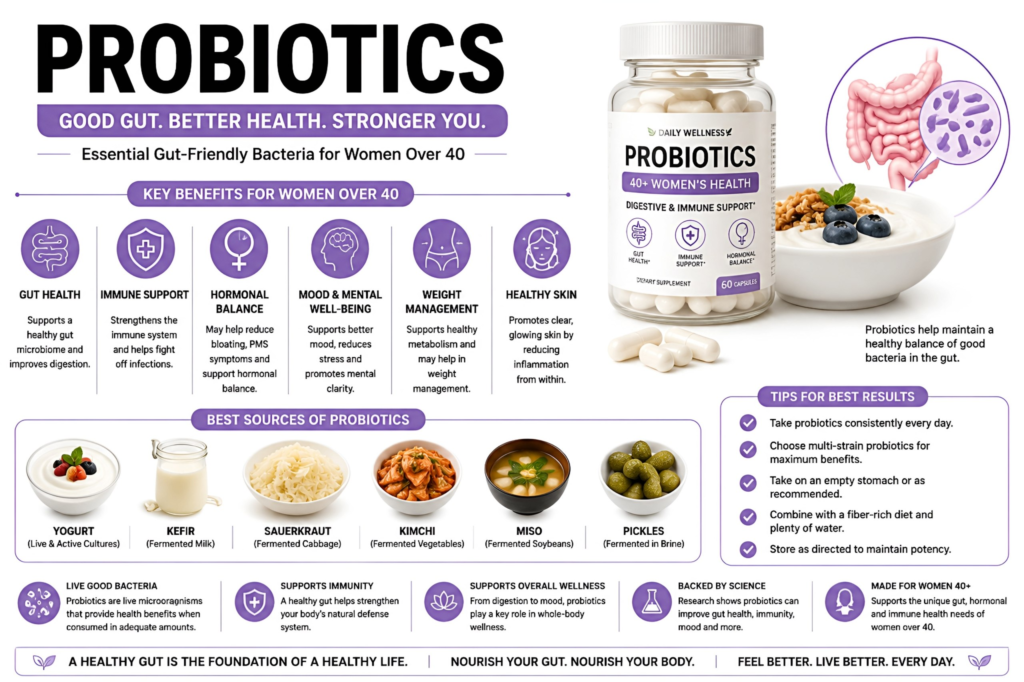
Probiotics are live beneficial microorganisms that may help support gut health, immune function, microbial balance, and digestive wellness. Researchers have increasingly investigated probiotics for women’s health, particularly because the gut microbiome may influence inflammation, immunity, metabolic health, hormonal balance, and healthy aging.
As women age, changes in hormone levels, diet, medications, stress, and lifestyle may affect gut microbiota composition and intestinal health. Because of this, probiotics continue to gain scientific attention as one of the most researched supplements for women over 40.
Potential Benefits of Probiotics for Women Over 40
•May help support gut microbiome balance
•Supports digestive and intestinal health
•May help support immune function
•Studied for menopausal and urogenital health
•May help support urinary tract health
•Studied for inflammatory bowel conditions and IBS
•May help support intestinal barrier integrity
•Supports overall wellness and healthy aging
What Research Shows
Intestinal Barrier Function & Inflammation
Researchers have investigated probiotics for intestinal barrier integrity, microbial balance, and inflammatory regulation. Systematic reviews suggest probiotics may help support gut barrier function and reduce inflammation-related microbial imbalances.
Inflammatory Bowel Disease (IBD)
2024 meta-analyses of andomized controlled trials have explored probiotics for inflammatory bowel diseases and related gastrointestinal conditions. Research suggests certain probiotic strains, particularly multi-strain formulations, may help support remission and gut health in some individuals with inflammatory bowel conditions.
Irritable Bowel Syndrome (IBS)
Researchers have also studied probiotics for irritable bowel syndrome (IBS). 2024 Systematic review suggest probiotic supplementation may help support digestive comfort and reduce certain IBS-related symptoms in some individuals.
Menopause & Women’s Health
2025 Recent systematic review and meta-analyses have investigated probiotics during the menopause transition. Research suggests probiotics may help support menopausal symptoms, urogenital health, bone health, and overall women’s wellness during hormonal aging.
Urinary Tract Health & Recurrent UTIs
Several studies have explored probiotics containing Lactobacillus strains for recurrent urinary tract infections (UTIs) in women. A 2023 A Comprehensive review of research supports the use of probiotics as a safe and effective intervention for the prevention and treatment of recurrent UTIs. However, selecting appropriate probiotic strains for UTIs can be challenging, and the safety and efficacy of probiotics depend on the strain, dosage, and timing of administration.
Probiotics vs Antibiotics in Postmenopausal Women
Researchers have additionally investigated Lactobacillus probiotics compared with antibiotics for recurrent UTIs in postmenopausal women in a 2012 randomised trial published in JAMA Internal Medicine. Although probiotics did not fully match antibiotics for UTI prevention, researchers noted probiotics therapy was safe, effective in prevention of UTIs and did not contribute to antibiotic resistance, highlighting growing interest in microbiome-based approaches for women’s health.
Antibiotic-Associated Diarrhea
2017 Systematic review and meta-analyses has also investigated probiotics for preventing antibiotic-associated diarrhea. Research suggests probiotic supplementation may help support gut microbial balance during antibiotic use and reduce the likelihood of digestive complications in some individuals.
Because the gut microbiome is increasingly linked with immunity, inflammation, metabolic health, and healthy aging, probiotics continue to be widely studied as one of the most promising supplements for women over 40.
Common Dose Used in Studies
Clinical studies commonly use probiotic doses ranging from 1–50 billion CFU daily depending on the bacterial strains, formulation, and health condition being studied as there is no fixed dose and strains to be used. Some research trials have used higher multi-strain doses exceeding 100 billion CFU.
8. Berberine
Berberine is a naturally occurring plant compound found in several medicinal herbs and has gained increasing scientific attention for its potential effects on metabolic health, blood sugar regulation, cardiovascular risk factors, and women’s health during perimenopause and menopause.
Researchers have extensively investigated berberine for type 2 diabetes, metabolic syndrome, obesity, dyslipidemia, cardiovascular health, insulin resistance, and polycystic ovary syndrome (PCOS). Because metabolic and hormonal changes commonly occur after the age of 40, berberine has become one of the most researched supplements for women over 40 interested in metabolic wellness and healthy aging.
Potential Benefits of Berberine for Women Over 40
•May help support healthy glucose metabolism
•Studied for metabolic syndrome and insulin resistance
•May help support cholesterol and lipid metabolism
•Studied for weight management and obesity-related markers
•May help support cardiovascular health
•Studied for PCOS-related metabolic abnormalities
•May help support healthy aging during menopause
•Supports overall metabolic wellness and inflammatory balance
What Research Shows
Perimenopause & Hormonal Transition
Researchers have investigated berberine for women during perimenopause and postmenopause. 2015 Review of clinical studies suggest berberine may help support metabolic and hormonal changes associated with declining estrogen levels and healthy aging during menopause transition.
Weight Management & Obesity
A 2020 systematic review have explored berberine supplementation for obesity and weight-related metabolic outcomes. Research suggests berberine may help support body weight regulation, waist circumference, and obesity-related metabolic pathways.
Blood Sugar & Type 2 Diabetes
A 2022 A systematic review and meta-analysis have investigated berberine supplementation for type 2 diabetes and glucose metabolism. Research suggests berberine may help support fasting blood glucose, HbA1c, insulin sensitivity, and glucose-related metabolic markers. Treatment with berberine may be safe since it does not increase the incidence of total adverse events and the risk of hypoglycemia.
Metabolic Syndrome
Researchers have additionally studied berberine for metabolic syndrome and cardiometabolic health. A 2025 meta-analyses suggest berberine supplementation may help support triglycerides, fasting glucose, waist circumference, LDL cholesterol, total cholesterol, and other metabolic syndrome-related markers without major safety concerns in short-term studies with a favorable safety profile.
Cardiovascular Risk Factors
2023 meta analysis of several randomized controlled trials published in Cardiology Discovery have explored berberine supplementation for cardiovascular disease risk factors. Research suggests berberine may help support blood lipid profiles, cholesterol metabolism, triglycerides, LDL cholesterol, and cardiovascular-related metabolic markers
Dyslipidemia & Cholesterol Health
Researchers have also investigated berberine for dyslipidemia and lipid metabolism. A 2023 meta analysis of randomised clinical trials studies suggest berberine may help support total cholesterol, triglycerides, and LDL cholesterol levels associated with metabolic and cardiovascular health.
PCOS & Women’s Metabolic Health
Several systematic reviews and meta-analyses have explored berberine supplementation in women with polycystic ovary syndrome (PCOS). Research suggests berberine may help support insulin resistance, lipid metabolism, androgen-related markers, and certain metabolic abnormalities associated with PCOS.
Broad Clinical Evidence Across Chronic Diseases
A large umbrella review published in 2025 analyzing dozens of systematic reviews reported that berberine has been investigated across multiple chronic disease outcomes, including cardiovascular disease, metabolic syndrome, dyslipidemia, gastrointestinal disorders, obesity, type 2 diabetes, and PCOS-related metabolic health. Researchers concluded that current evidence suggests berberine may provide beneficial effects across several metabolic and chronic disease-related outcomes.
Healthy Aging & Menopause Support
Researchers continue to investigate berberine as a potential supplement for healthy aging and menopause-related metabolic changes. A 2015 review suggest berberine may help support women during hormonal aging without some of the concerns associated with traditional hormone-related therapies and further suggest that berberine could be an effective natural supplement to ensure a smooth peri- and postmenopausal transition., although additional large-scale clinical trials are still needed.
Because metabolic dysfunction, insulin resistance, and cardiovascular risk factors become increasingly important after 40, berberine continues to gain scientific interest as one of the most promising supplements for women over 40 focused on metabolic health and healthy aging.
Common Dose Used in Studies
Clinical studies commonly use berberine doses ranging from 500–1500 mg daily, often divided into two or three doses with meals depending on the study design and metabolic condition being investigated.
9. CoQ10
Coenzyme Q10 (CoQ10) is a naturally occurring antioxidant compound involved in cellular energy production and mitochondrial function. Because energy production naturally declines with age, researchers have increasingly investigated CoQ10 supplementation for fatigue, cardiovascular health, healthy aging, oxidative stress, and mitochondrial support.
CoQ10 levels may gradually decrease with aging, which is one reason why CoQ10 has become one of the most widely used supplements for women over 40 interested in energy support and healthy aging.
Potential Benefits of CoQ10 for Women Over 40
•May help support energy production and reduce fatigue
•Supports mitochondrial function and cellular energy metabolism
•Provides antioxidant support against oxidative stress
•Studied for healthy aging and cardiovascular wellness
•May help support skin aging and cellular protection
•Supports overall vitality and wellness during aging
What Research Shows
Fatigue & Energy Support
Several systematic reviews and meta-analyses of randomized controlled trials have investigated CoQ10 supplementation for fatigue-related symptoms. Research suggests CoQ10 supplementation may help support energy levels and reduce fatigue in certain individuals.
Mitochondrial Function & Cellular Energy
Researchers have also explored literatue review of CoQ10 for mitochondrial health and cellular energy metabolism. Because mitochondria are responsible for producing energy within cells, CoQ10 continues to be studied for healthy aging, vitality, and physical function.
Antioxidant Protection & Oxidative Stress
CoQ10 has additionally been investigated for its antioxidant properties and role in oxidative stress regulation. Research on anti aging effect of CoQ10 suggests CoQ10 supplementation may help provide antioxidant protection to tissues and organs affected by aging and various physiological stressors.
Healthy Aging & Skin Health
2016 randomised controlled study have also explored CoQ10 for healthy aging and skin-related outcomes. Researchers continue to investigate how CoQ10 supplementation may help support skin aging processes, cellular protection, and age-related mitochondrial decline.
Safety & Long-Term Use
Researchers have generally reported favorable safety findings in clinical studies involving CoQ10 supplementation. Meta-analyses investigating fatigue-related outcomes reported very few adverse effects, highlighting growing interest in CoQ10 as a potentially safe supplement for healthy aging and energy support.
Because mitochondrial function and oxidative stress are closely linked with aging, CoQ10 continues to gain scientific attention as one of the most promising supplements for women over 40 focused on energy, vitality, and healthy aging.
Common Dose Used in Studies
Clinical studies commonly use CoQ10 doses ranging from 100–300 mg daily depending on the specific health condition, formulation, and study duration.
10. Moringa
Moringa oleifera is a nutrient-dense plant rich in vitamins, minerals, antioxidants, polyphenols, and bioactive plant compounds. Often referred to as a “superfood” in nutritional research, moringa has gained growing scientific interest for its potential role in healthy aging, inflammation regulation, metabolic health, nutritional support, and overall wellness.
Researchers have investigated moringa supplementation for chronic disease-related pathways, iron deficiency anemia, women’s health outcomes, antioxidant activity, nutritional status, and metabolic health. Because nutrient deficiencies and oxidative stress may become increasingly important with age, moringa continues to attract attention as a promising whole-food supplement for women over 40.
Potential Benefits of Moringa for Women Over 40
•Rich in antioxidants and plant nutrients
•May help support healthy inflammatory balance
•Studied for nutritional and metabolic support
•May help support iron and hemoglobin levels
•Supports overall wellness and healthy aging
•Studied for women’s health and hormonal wellness
•May help support energy and nutritional status
•Supports antioxidant protection against oxidative stress
What Research Shows
Chronic Disease & Antioxidant Support
Researchers have investigated moringa for its antioxidant and bioactive plant compounds associated with chronic disease-related pathways. Review studies suggest moringa contains polyphenols, flavonoids, isothiocyanates, and other compounds that may help support oxidative stress regulation and inflammatory balance.
Iron Deficiency Anemia & Hemoglobin Support
Several studies have explored moringa leaf supplementation for iron deficiency anemia and hematological health. Clinical research reported improvements in hemoglobin, ferritin, and other blood-related markers following moringa supplementation in individuals with iron deficiency anemia.
Nutritional Support & Healthy Aging
Researchers have additionally investigated moringa for nutritional wellness and healthy aging support. Review studies highlight moringa as a nutrient-rich plant source containing vitamins, minerals, antioxidants, amino acids, and phytonutrients important for overall wellness.
Women’s Health & Hormonal Wellness
Emerging research has explored moringa supplementation for women’s health outcomes across different life stages. Small clinical studies and review papers suggest moringa may help support nutritional status, hormonal wellness, PMS-related symptoms, menopause-related well-being, and overall women’s health support.
Pregnancy & Maternal Health
Clinical research has additionally investigated moringa leaf powder supplementation during pregnancy. A randomized controlled trial reported improvements in maternal health indicators, hemoglobin-related markers, and infant birth weight among moderately anemic pregnant women receiving moringa supplementation.
Although much of the current evidence remains emerging compared with more extensively studied supplements such as omega-3 fatty acids or vitamin D, moringa continues to gain scientific interest as one of the most promising nutrient-dense supplements for women over 40.
Common Dose Used in Studies
Clinical studies commonly use moringa leaf powder or extract doses ranging from 1–4 grams or 500-1000mg extract daily depending on the formulation and health condition being studied.
Comparison of the Best Supplements for Women Over 40
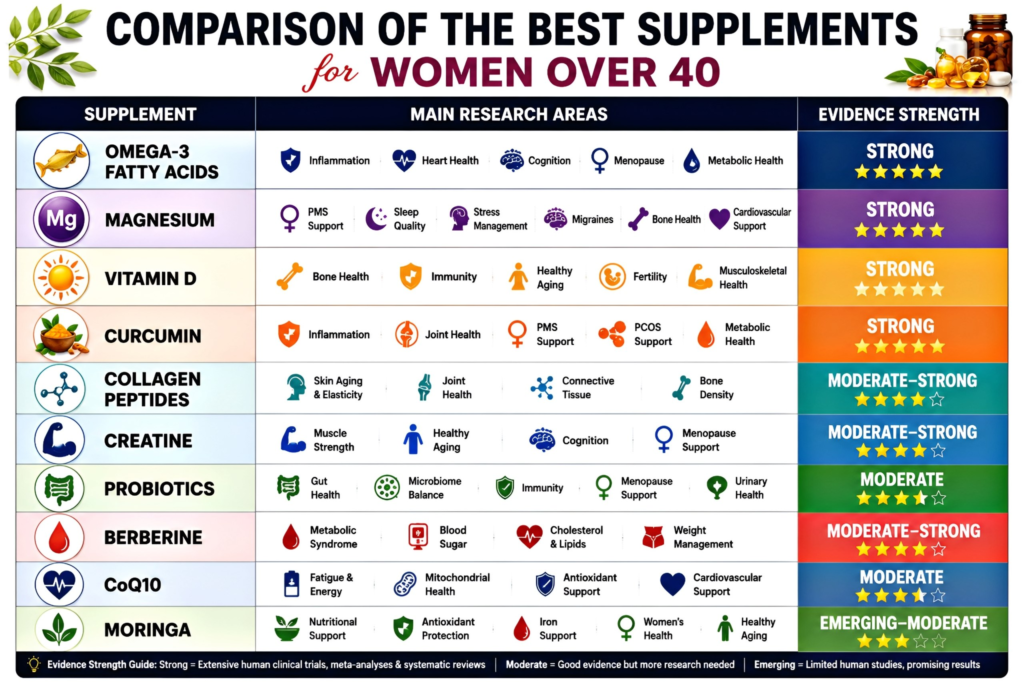
Which Supplements Have the Strongest Scientific Evidence?
Among the supplements discussed in this guide, omega-3 fatty acids, magnesium, vitamin D, and curcumin currently have some of the strongest scientific evidence for women over 40 based on human clinical trials, systematic reviews, and meta-analyses.
Omega-3 fatty acids have been extensively studied for inflammation, cardiovascular health, cognitive aging, metabolic wellness, and menopause-related health concerns. Magnesium also has broad evidence supporting sleep quality, stress regulation, migraines, PMS symptoms, cardiovascular health, and healthy aging.
Vitamin D remains one of the most researched nutrients for bone health, immune regulation, musculoskeletal health, and healthy aging. Curcumin has also gained strong scientific attention because of its anti-inflammatory and antioxidant properties, particularly in joint health and metabolic wellness research.
Other supplements such as collagen peptides, creatine, probiotics, CoQ10, berberine, and moringa also show promising evidence in specific areas of women’s health and healthy aging, although some areas still require additional long-term clinical trials.
Can Supplements Help With Menopause and Healthy Aging?
Researchers continue to investigate how nutritional supplements may support healthy aging and menopause-related changes in women over 40. Hormonal shifts during perimenopause and menopause may influence bone density, muscle mass, sleep quality, inflammation, metabolism, cardiovascular health, and overall well-being.
While supplements cannot completely prevent aging or replace a healthy lifestyle, scientific evidence suggests that certain nutrients and bioactive compounds may help support the body during hormonal and age-related transitions.
Evidence-based supplements such as omega-3 fatty acids, magnesium, vitamin D, creatine, probiotics, curcumin, and collagen peptides have all been studied for areas related to healthy aging, inflammatory balance, metabolic wellness, physical function, and overall quality of life.
However, supplement responses vary depending on factors such as diet, genetics, activity level, medical conditions, medications, hormonal status, and overall lifestyle habits.
Safety & Expectations for Supplements
Although many supplements discussed in this article have been studied in human clinical trials, supplements are not risk-free and should not be viewed as miracle cures.
Some supplements may interact with medications or may not be appropriate for certain medical conditions, pregnancy, breastfeeding, thyroid disorders, bleeding disorders, kidney disease, or diabetes-related medications. Product quality, dosage, absorption, and ingredient standardization can also vary significantly between brands.
For this reason, women considering supplements for healthy aging, menopause support, inflammation, or metabolic health should consult a qualified healthcare professional before starting any new supplement regimen.
In addition, supplements work best when combined with:
•A nutrient-dense diet
•Regular exercise and strength training
•Quality sleep
•Stress management
•Healthy body weight
•Reduced ultra-processed food intake
•Long-term healthy lifestyle habits
Final Verdict: Best Supplements for Women Over 40 in 2026
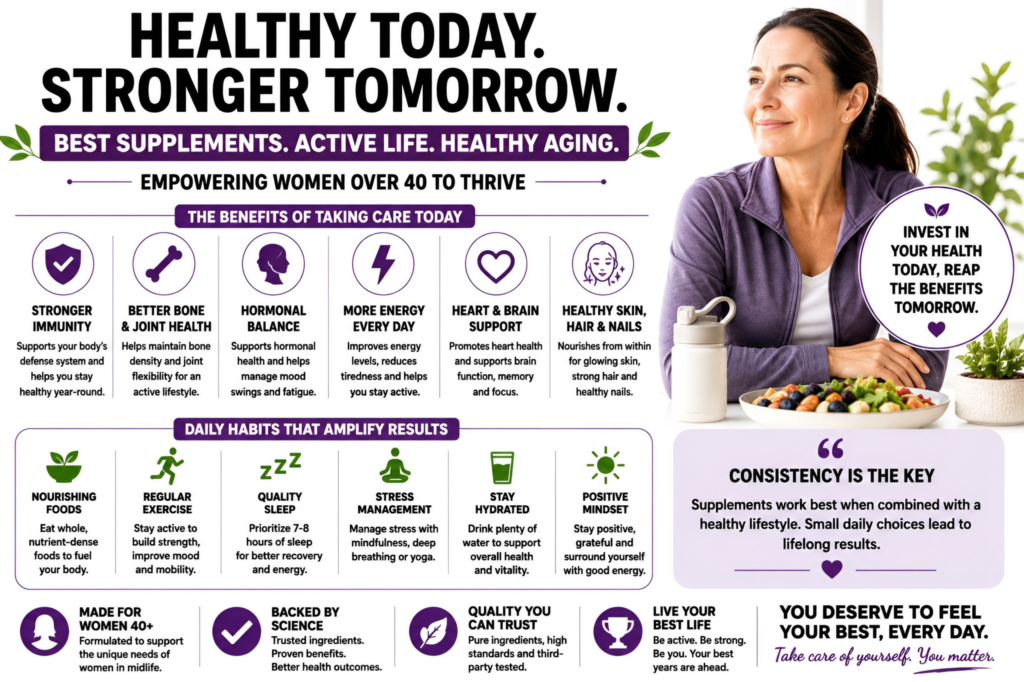
As women age, nutritional needs and health priorities naturally evolve. Scientific research suggests that several evidence-based supplements may help support healthy aging, hormonal wellness, metabolic health, inflammation balance, bone strength, cardiovascular function, muscle preservation, and overall quality of life after 40.
Among the most evidence-backed supplements for women over 40 are omega-3 fatty acids, magnesium, vitamin D, curcumin, collagen peptides, creatine, probiotics, berberine, CoQ10, and moringa. Each supplement has been studied for different aspects of women’s health, ranging from joint support and metabolic wellness to cognitive health, energy production, gut health, and healthy aging.
Importantly, no single supplement works for everyone, and supplements should not replace medical care, proper nutrition, physical activity, or other healthy lifestyle habits. Instead, supplements may serve as supportive tools when used appropriately and based on individual health needs.
As research on women’s health and healthy aging continues to evolve, these supplements remain among the most promising and widely studied options currently available for women over 40 interested in long-term wellness support.
Related Guides
Check our evidence based guide on:
6 Best Supplements for Osteoarthritis and Rheumatoid Arthritis
The Best Curcumin Supplement
10 Natural Ways to Reduce Joint Pain Without Painkillers
About the Moviva Research Team
The Moviva Research Team focuses on evidence-based wellness, nutrition, inflammation research, and natural health topics. Our goal is to simplify scientific research into practical, reader-friendly health information backed by published studies and clinical evidence.
Medical Disclaimer
This article is for educational and informational purposes only and should not be considered medical advice. Always consult a qualified healthcare professional before starting any supplement, especially if you have chronic medical conditions, are pregnant or breastfeeding, or are taking medications.
References
- Long-term effect of omega-3 fatty acid supplementation in active rheumatoid arthritis
https://onlinelibrary.wiley.com/doi/abs/10.1002/art.1780370608 - Fish oil-derived n-3 PUFA therapy increases muscle mass and function in healthy older adults
https://pubmed.ncbi.nlm.nih.gov/21159787/ - Omega-3 fatty acids and menopause-related cognitive health
https://pubmed.ncbi.nlm.nih.gov/40444522/ - Update on the Impact of Omega 3 Fatty Acids on Inflammation, Insulin Resistance and Sarcopenia: A Review
https://pmc.ncbi.nlm.nih.gov/articles/PMC5796167/ - Effect of omega-3 supplements or diets on fertility in women: A meta-analysis
https://www.sciencedirect.com/science/article/pii/S2405844024053556 - Specialty supplements and breast cancer risk in the VITamins And Lifestyle (VITAL) Cohort
https://pubmed.ncbi.nlm.nih.gov/20615886/ - The treatment of premenstrual symptoms using omega-3 supplement
https://www.tandfonline.com/doi/full/10.1080/0167482X.2017.1348496 - Omega-3 supplementation and diabetes: A systematic review and meta-analysis
https://www.tandfonline.com/doi/full/10.1080/10408398.2021.1875977
Magnesium - Magnesium supplementation and premenstrual symptoms
https://pubmed.ncbi.nlm.nih.gov/32067480/ - Oral magnesium supplementation for insomnia in older adults
https://pubmed.ncbi.nlm.nih.gov/33865376/ - Magnesium status and stress-related symptoms
https://pmc.ncbi.nlm.nih.gov/articles/PMC11136869/ - Magnesium and Osteoporosis Meta-analysis
https://www.researchgate.net/publication/388374865_Magnesium_and_Osteoporosis_A_Meta-Analysis_of_the_Effects_on_Bone_Turnover_Markers_Fracture_Incidence_and_Quality_of_Life - Magnesium supplementation significantly reduces CRP
https://pmc.ncbi.nlm.nih.gov/articles/PMC6040119/ - Effect of magnesium supplementation on women’s health and well-being
https://www.sciencedirect.com/science/article/pii/S2352364621000079 - Magnesium and menstrual symptom reduction study
https://storage.googleapis.com/innctech/ejpmr/article_issue/1753935108.pdf - Magnesium for migraine prevention systematic review
https://headachejournal.onlinelibrary.wiley.com/doi/abs/10.1111/head.13217 - Magnesium supplementation and depression meta-analysis
https://pmc.ncbi.nlm.nih.gov/articles/PMC10783196/ - Magnesium supplementation and blood pressure umbrella meta-analysis
https://pmc.ncbi.nlm.nih.gov/articles/PMC11401110/ - Magnesium supplement use and lower cardiovascular risk
https://www.ahajournals.org/doi/10.1161/JAHA.124.038870 - Long-term magnesium supplementation improves glucocorticoid metabolism
https://pubmed.ncbi.nlm.nih.gov/33030273/
Vitamin D - Vitamin D supplementation and bone mineral density
https://pubmed.ncbi.nlm.nih.gov/34378711/ - Effects of vitamin D on bone density and fracture prevention
https://pubmed.ncbi.nlm.nih.gov/36308775/ - Vitamin D and biological aging markers
https://www.washingtonpost.com/wellness/2025/05/22/vitamin-d-aging-telomere-study/ - Effects of vitamin D on thyroid autoimmunity markers in Hashimoto’s thyroiditis
https://journals.sagepub.com/doi/10.1177/03000605211060675 - Vitamin D supplementation may reduce all-cause mortality
https://onlinelibrary.wiley.com/doi/full/10.1002/jbmr.4888 - High-dose vitamin D highly effective for influenza prevention
https://pubmed.ncbi.nlm.nih.gov/40969681/ - Beneficial impact of vitamin D therapy on fertility outcomes
https://pmc.ncbi.nlm.nih.gov/articles/PMC12893472/ - Effects of vitamin D supplementation on ovulation and pregnancy in women with PCOS
https://pubmed.ncbi.nlm.nih.gov/37593349/ - Effects of vitamin D in pregnancy on maternal and offspring health-related outcomes
https://www.nature.com/articles/s41387-024-00296-0 - Vitamin D supplementation and total cancer mortality meta-analysis
https://www.sciencedirect.com/science/article/pii/S0923753419311597
Curcumin - Curcumin for rheumatoid arthritis systematic review and meta-analysis
https://pmc.ncbi.nlm.nih.gov/articles/PMC12832973/ - Effect of curcumin on rheumatoid arthritis
https://www.frontiersin.org/journals/immunology/articles/10.3389/fimmu.2023.1121655/full - Curcumin and knee osteoarthritis systematic review
https://bmjopensem.bmj.com/content/bmjosem/7/1/e000935.full.pdf - Curcumin for PMS and dysmenorrhea
https://pmc.ncbi.nlm.nih.gov/articles/PMC12269146/ - Curcumin in women with PCOS systematic review and meta-analysis
https://www.frontiersin.org/journals/endocrinology/articles/10.3389/fendo.2022.1051111/full - Curcumin on glycemic control and lipid profile in PCOS
https://pmc.ncbi.nlm.nih.gov/articles/PMC7924860/ - Curcumin supplementation and lipid profile review
https://www.sciencedirect.com/science/article/pii/S0965229923000420 - Curcumin reduced LDL cholesterol review
https://extendedstudies.ucsd.edu/getattachment/cbbb0cbf-1a09-4845-a787-af7b665e9a0b/rme_24_11_2_060-073.pdf?lang=en-US - Curcumin and multiple health outcomes umbrella review
https://www.frontiersin.org/journals/pharmacology/articles/10.3389/fphar.2025.1601204/full
Collagen Peptides - Oral collagen supplementation and skin aging
https://pubmed.ncbi.nlm.nih.gov/33742704/ - Collagen peptide supplementation and joint discomfort
https://pubmed.ncbi.nlm.nih.gov/18416885/ - Collagen supplementation for skin and connective tissue health
https://pmc.ncbi.nlm.nih.gov/articles/PMC6835901/ - Collagen derivatives for osteoarthritis meta-analysis
https://www.sciencedirect.com/science/article/pii/S1063458424000049 - Collagen Peptides Improve Bone Mineral Density
https://pmc.ncbi.nlm.nih.gov/articles/PMC5793325/
Creatine - Creatine supplementation in peri- and postmenopausal women
https://pmc.ncbi.nlm.nih.gov/articles/PMC12291186/ - Creatine supplementation and women’s health across lifespan
https://www.tandfonline.com/doi/pdf/10.1080/15502783.2025.2502094 - Effects of creatine supplementation on cognitive function
https://www.sciencedirect.com/science/article/abs/pii/S0531556518300263 - Creatine and neurodegenerative disease prevention
https://pmc.ncbi.nlm.nih.gov/articles/PMC4304302/
Probiotics - Probiotics improve intestinal barrier function
https://www.frontiersin.org/journals/immunology/articles/10.3389/fimmu.2023.1143548/full - Efficacy and safety of probiotics in IBD
https://onlinelibrary.wiley.com/doi/10.1002/ueg2.12636 - Effectiveness of probiotic use in IBS
https://pmc.ncbi.nlm.nih.gov/articles/PMC11094478/ - Probiotics during menopause transition
https://www.sciencedirect.com/science/article/pii/S2405457725017632 - Probiotics reduce recurrence of UTI in women
https://www.aafp.org/pubs/afp/issues/2025/0100/poems-probiotics-uti-women.html - Lactobacilli vs antibiotics to prevent UTIs
https://jamanetwork.com/journals/jamainternalmedicine/fullarticle/1151418 - The Power of Probiotics to Combat UTIs
https://www.researchgate.net/publication/370621869_The_Power_of_Probiotics_to_Combat_Urinary_Tract_Infections_A_Comprehensive_Review - Probiotics for prevention of antibiotic-associated diarrhea
https://www.mdpi.com/2079-6382/6/4/21
Berberine - Potential Benefits of Berberine in Perimenopausal Syndrome
https://pubmed.ncbi.nlm.nih.gov/25785174/ - Berberine and weight loss systematic review
https://www.sciencedirect.com/science/article/pii/S0753332220303292 - Berberine for type 2 diabetes systematic review
https://pubmed.ncbi.nlm.nih.gov/30393248/ - Berberine in diabetes, hyperlipidemia and hypertension
https://www.sciencedirect.com/science/article/abs/pii/S037887411400871X - Berberine and metabolic syndrome meta-analysis
https://www.frontiersin.org/journals/pharmacology/articles/10.3389/fphar.2025.1572197/full - Umbrella review of berberine and chronic diseases
https://link.springer.com/article/10.1186/s12906-025-04872-4 - Berberine and cardiovascular disease risk factors
https://mednexus.org/doi/full/10.1097/CD9.0000000000000087 - Berberine for cardiovascular diseases systematic review
https://www.sciencedirect.com/science/article/abs/pii/S0944711323000740 - Berberine in women with PCOS
https://onlinelibrary.wiley.com/doi/pdf/10.1155/2019/7918631 - Dose-dependent antidiabetic properties of berberine
https://pubmed.ncbi.nlm.nih.gov/22615079/ - Berberine during menopausal transition
https://pmc.ncbi.nlm.nih.gov/articles/PMC4346702/
CoQ10 - CoQ10 supplementation for reducing fatigue
https://www.frontiersin.org/journals/pharmacology/articles/10.3389/fphar.2022.883251/full - Coenzyme Q10 literature review on chronic disorders and anti-aging
https://www.researchgate.net/publication/363943002_Coenzyme_Q10_-_a_literature_review_on_supplementation_in_chronic_disorders_and_the_anti-aging_process
Moringa - Bioactive Components in Moringa Oleifera Leaves Protect against Chronic Disease
https://pmc.ncbi.nlm.nih.gov/articles/PMC5745501/ - Moringa and iron deficiency anemia
https://www.researchgate.net/publication/315590694_Effect_of_Moringa_oleifera_Leaves_Extract_Against_Hematology_and_Blood_Biochemical_Value_of_Patients_with_Iron_Deficiency_Anemia - Therapeutic properties of Moringa oleifera
https://pmc.ncbi.nlm.nih.gov/articles/PMC12003216/ - Moringa as anti-cancer agent
https://europepmc.org/article/PMC/4545797 - Moringa and women’s health outcomes
https://theprogressjournals.com/admin_panel/Gijournals/journalsfile/48510072025091505.pdf - Moringa improves immunity and prevents disease
https://www.sciencedirect.com/science/article/pii/S2666154323003678 - Moringa powder improved nutritional status in premenopausal women
https://www.afjbs.com/uploads/paper/442eafc9b653f9506c87a26c2fdbe74d.pdf - Moringa leaf powder improved maternal health and birth weight
https://www.researchgate.net/publication/344790622_Moringa_oleifera_leaf_powder_supplementation_improved_the_maternal_health_and_birth_weight_a_randomised_controlled_trial_in_pregnant_women