Introduction
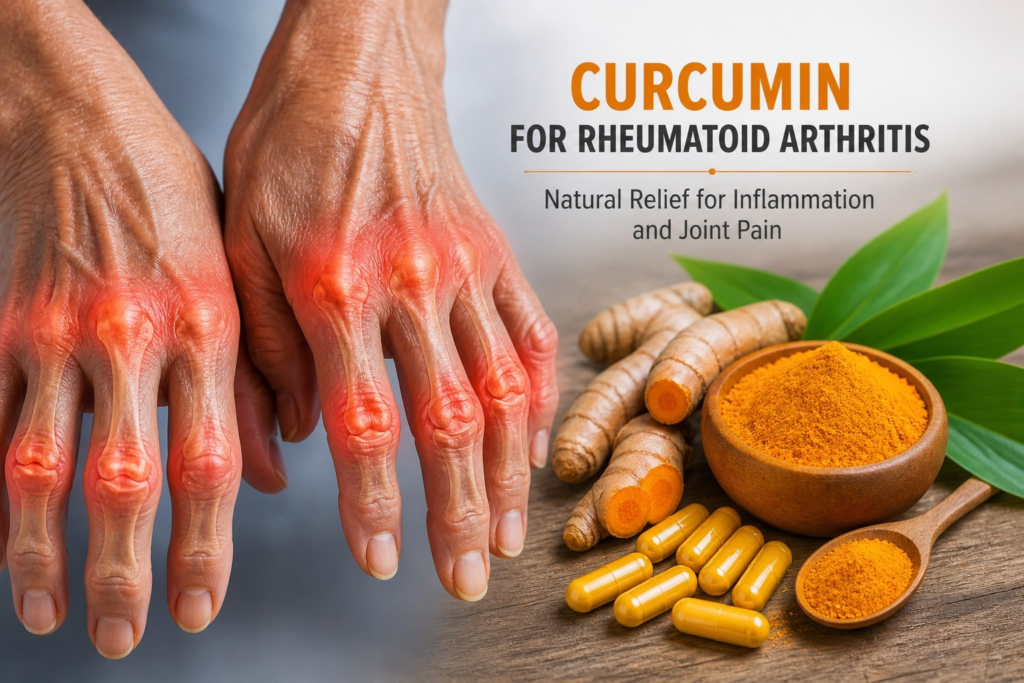
Curcumin for rheumatoid arthritis is gaining attention as a natural anti-inflammatory compound that may help reduce joint pain and disease activity. Curcumin for rheumatoid arthritis is gaining attention as a natural approach to managing inflammation and immune dysfunction. Rheumatoid arthritis (RA) is a chronic autoimmune disease that causes persistent joint inflammation, pain, and progressive damage.
Because inflammation is central to RA, researchers are exploring compounds like curcumin for their therapeutic potential. But how strong is the clinical evidence?
If you’re also exploring joint pain solutions for osteoarthritis, you can read our detailed guide on curcumin for osteoarthritis backed by clincial studies to compare how it works across conditions.
Understanding Rheumatoid Arthritis
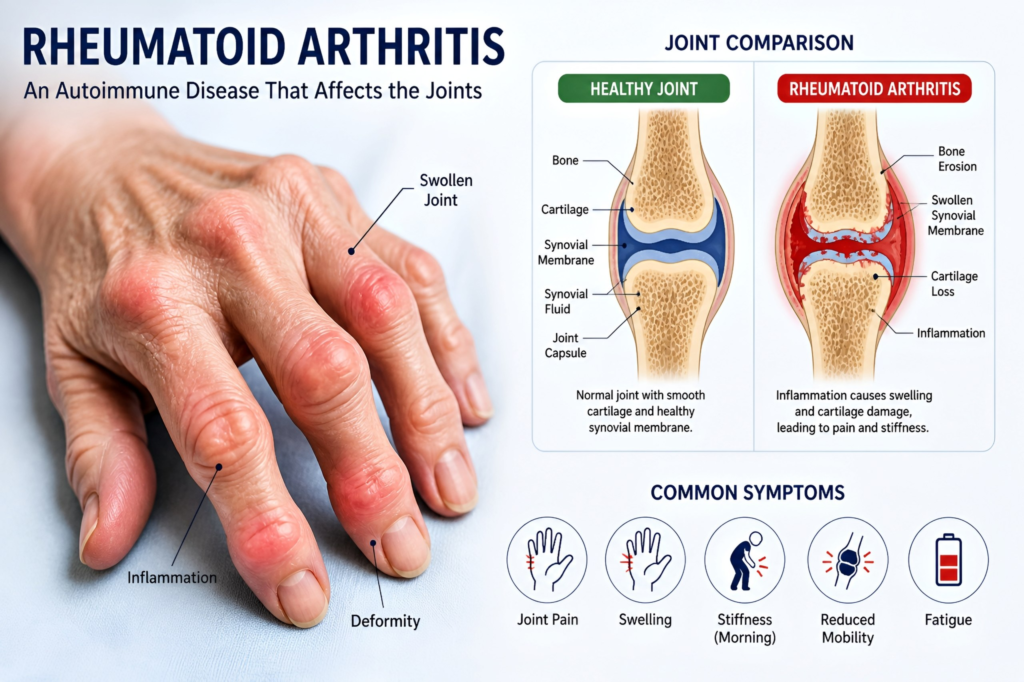
Rheumatoid arthritis is an autoimmune condition in which the immune system mistakenly attacks joint tissues. This leads to:
•Chronic inflammation
•Joint swelling and stiffness
•Pain and reduced mobility
•Progressive joint damage
Effective management focuses on controlling inflammation and regulating immune responses
What is Curcumin?
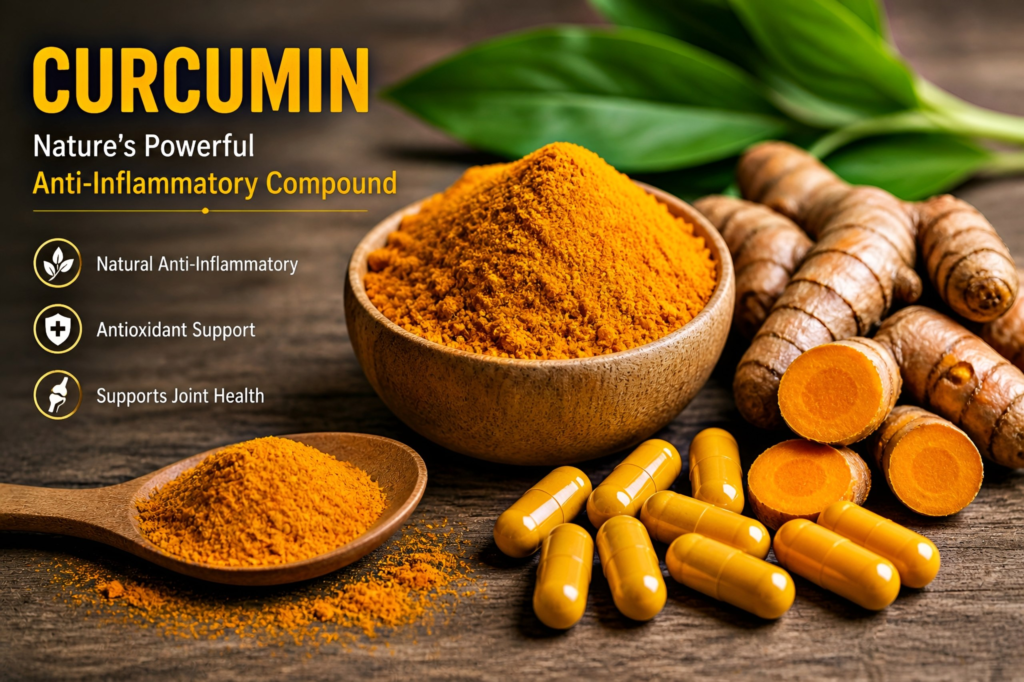
Curcumin is the main bioactive compound in turmeric (Curcuma longa). It is widely studied for:
•Anti-inflammatory properties
•Antioxidant effects
•Immune system modulation
However, curcumin has low natural absorption, so most clinical studies use enhanced formulations such as curcumin with piperine or nano-curcumin.
You can also read our detailed guide on curcumin for osteoarthritis to understand its effects on joint health across conditions.
How Curcumin May Help Rheumatoid Arthritis (Key Mechanisms)
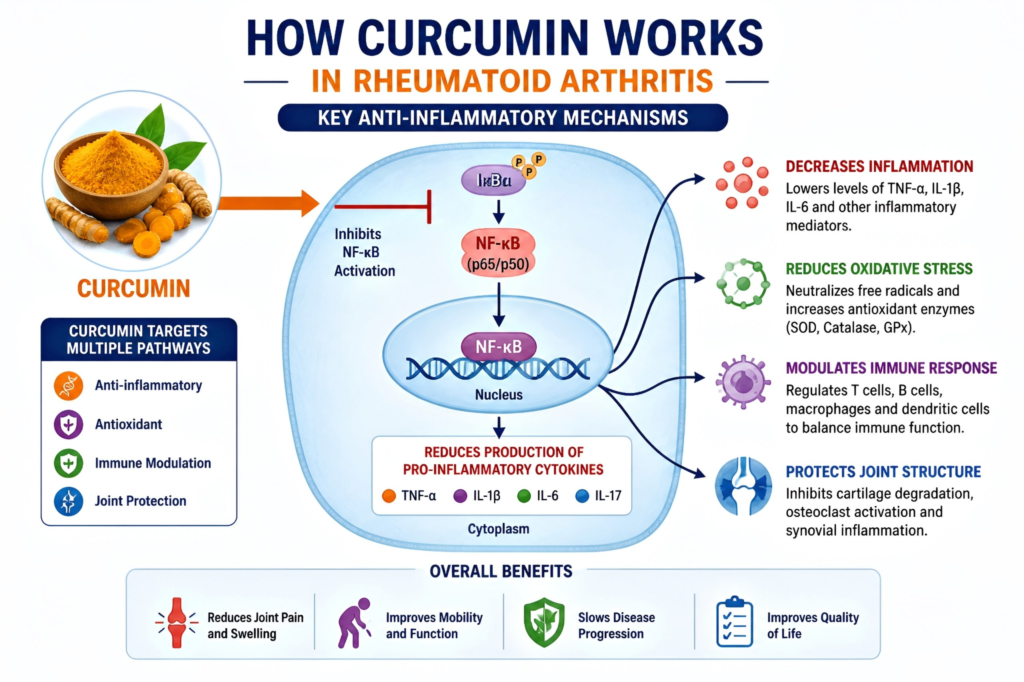
Curcumin affects multiple biological pathways involved in RA:
- Inhibition of NF-κB signaling
Curcumin suppresses NF-κB, a key regulator of inflammatory gene expression. - Reduction of pro-inflammatory cytokines
It decreases TNF-α, IL-1, and IL-6, which drive inflammation in rheumatoid arthritis. - Antioxidant activity
Curcumin helps neutralize oxidative stress that contributes to joint damage. - Modulation of immune cells
It influences T-cell and B-cell activity involved in autoimmune responses. - Reduction of CRP and ESR
Clinical studies show decreases in inflammatory markers such as CRP and ESR. - Protection of joint tissues
Curcumin may help reduce cartilage breakdown and synovial inflammation.
Evidence from Clinical Trials
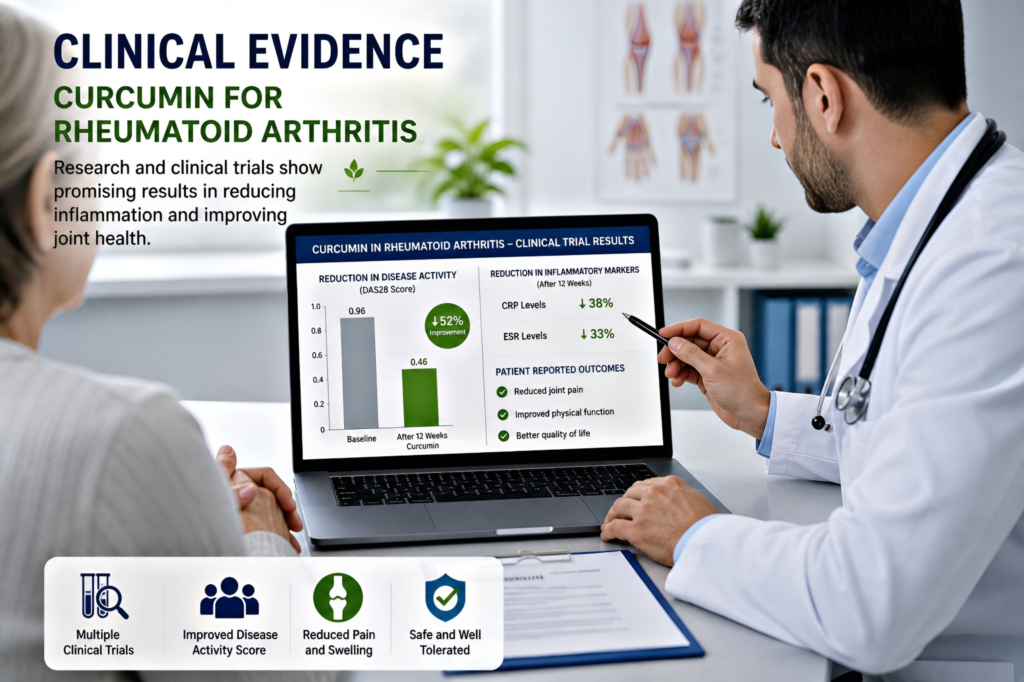
Several randomized clinical trials have evaluated curcumin for rheumatoid arthritis. These studies have generally used doses ranging from 250 mg to 1000 mg per day and have reported improvements in disease activity, joint pain, and inflammatory markers.
For example, a randomized controlled trial found that curcumin supplementation significantly reduced disease activity scores and inflammatory markers compared to control groups. These findings suggest that curcumin may help modulate inflammation and improve symptoms in patients with rheumatoid arthritis.
Clinical trials typically lasted 8–12 weeks and consistently demonstrated reductions in inflammation and symptom severity.
In a meta-analysis by Fuhan Zhang et al. (Medicine, 2025), curcumin supplementation significantly improved inflammatory markers and disease activity in patients with rheumatoid arthritis.
Recommended Dosage of Curcumin for Rheumatoid Arthritis
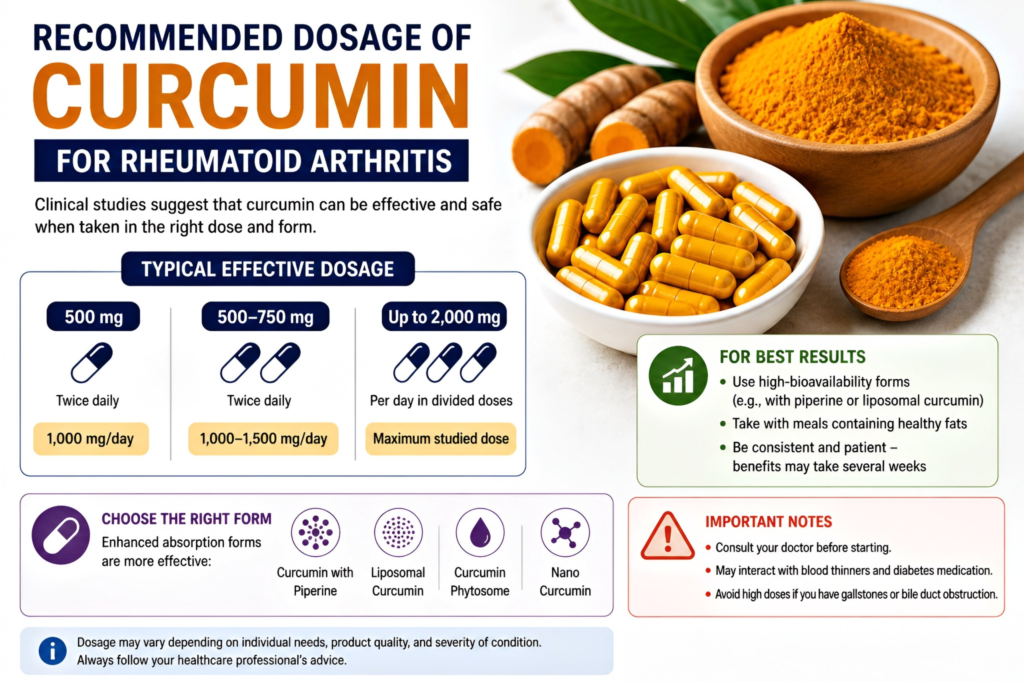
Clinical studies suggest a range depending on formulation:
250–500 mg twice daily (common in trials)
500–1000 mg per day (effective range)
Up to 1500 mg/day in meta-analyses
Important considerations:
Bioavailable forms require lower doses
Piperine (black pepper extract) enhances absorption
Summary of Meta-Analyses (Most Important Section)
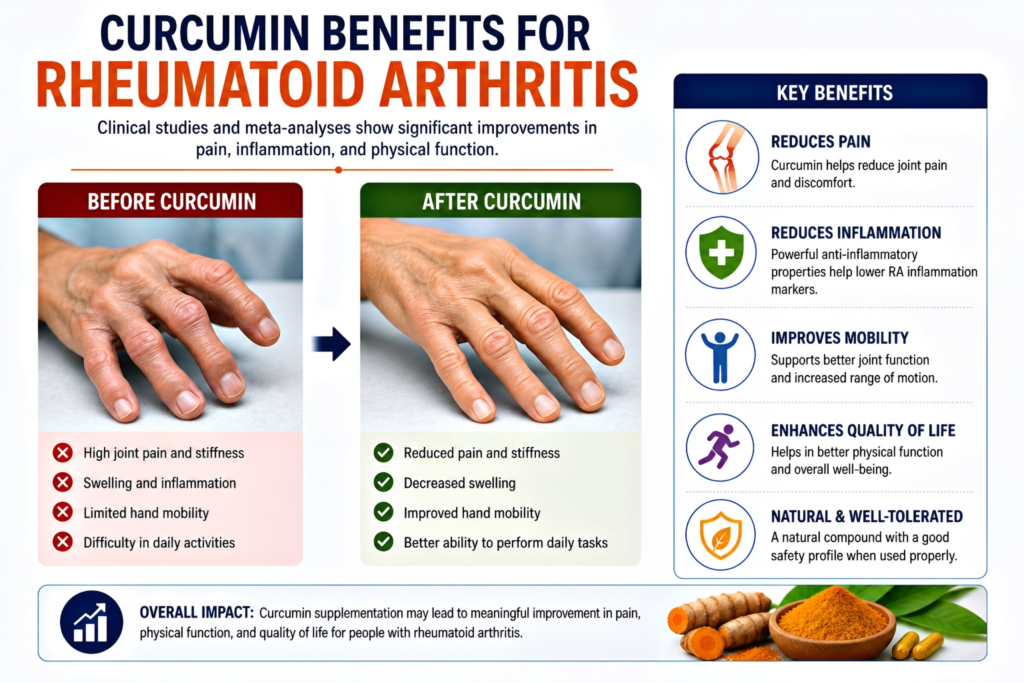
Systematic Review Conclusion
A systematic review of randomized controlled trials by Fuhan Zhang et al. (Medicine, 2025) concluded that curcumin shows significant therapeutic potential in rheumatoid arthritis by reducing inflammation and improving symptoms.
Frontiers Meta-analysis 2023 reported that curcumin:
•Improves clinical symptoms
•Reduces inflammatory markers
•May help slow disease progression
These findings suggest curcumin may be a valuable complementary approach in rheumatoid arthritis management.
Potential Benefits of Curcumin for Rheumatoid Arthritis
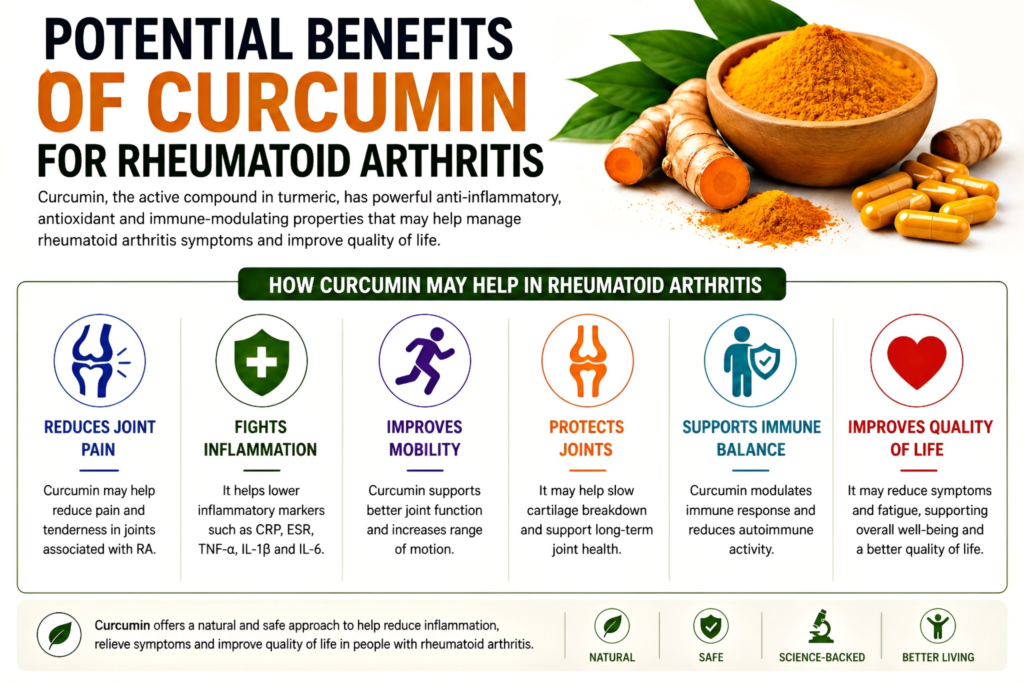
Curcumin for rheumatoid arthritis is gaining attention as a natural anti-inflammatory compound that may help reduce joint pain and disease activity.
Based on clinical evidence, curcumin for rheumatoid arthritis may:
•Reduce joint inflammation
•Improve pain and stiffness
•Enhance mobility
•Lower inflammatory markers
•Improve disease activity scores
Limitations of Current Research
Despite promising results, several limitations remain:
•Small sample sizes in many trials
•Variability in curcumin formulations
•Short study durations
•Some inconsistent findings
Therefore, curcumin should be considered a supportive therapy rather than a replacement for standard medical treatment.
Curcumin vs Standard RA Treatments
Curcumin for rheumatoid arthritis is often compared with conventional treatments such as NSAIDs and disease-modifying antirheumatic drugs (DMARDs). While standard medications are essential for controlling disease progression, curcumin may offer supportive benefits with a different safety profile.
Some clinical studies suggest that curcumin may provide similar anti-inflammatory effects to certain NSAIDs, but with fewer gastrointestinal side effects. However, unlike DMARDs, curcumin does not directly modify disease progression at the same level.
Therefore, curcumin should be viewed as a complementary approach rather than a replacement for prescribed RA medications.
Safety and Side Effects of Curcumin
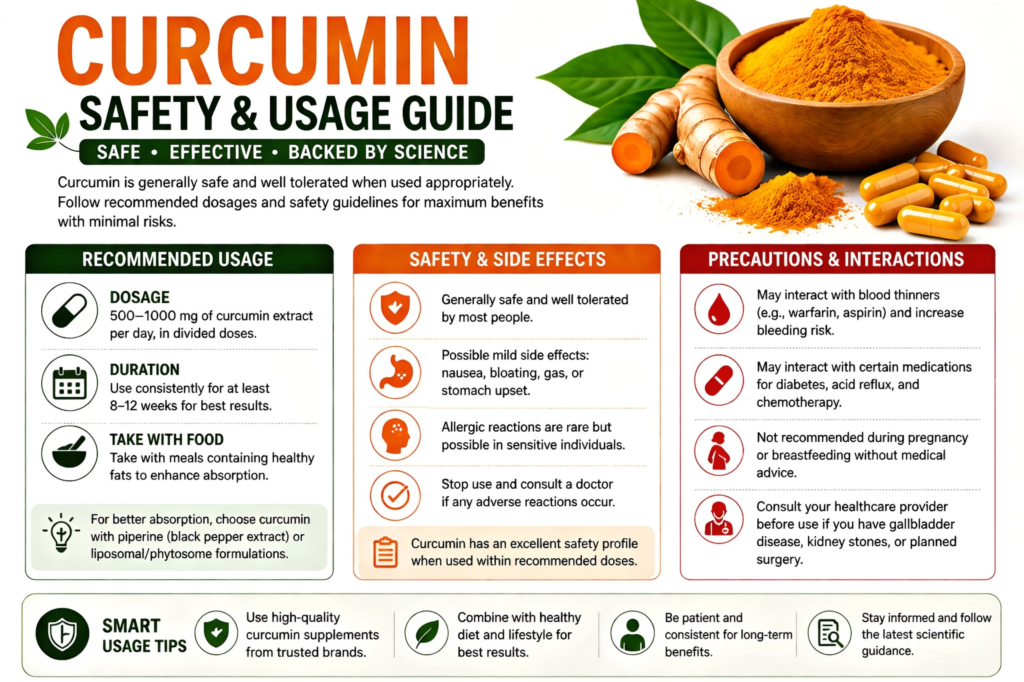
Curcumin is generally considered safe when taken in recommended doses. Most clinical trials report minimal side effects.
Possible mild side effects may include:
•Digestive discomfort
•Nausea
•Mild bloating
•High doses or long-term use may increase the risk of interactions with medications such as blood thinners or anti-inflammatory drugs.
Individuals with rheumatoid arthritis who are taking medication should consult a healthcare professional before adding curcumin supplements.
Best Form of Curcumin for Rheumatoid Arthritis
Not all curcumin supplements are equally effective. One major limitation of curcumin is its poor absorption in the body.
To improve bioavailability, clinical studies often use:
•Curcumin with piperine (black pepper extract)
•Liposomal curcumin formulations
•Nano-curcumin supplements
These enhanced forms allow better absorption and may provide stronger clinical effects at lower doses.
Choosing a high-bioavailability form is important when using curcumin for rheumatoid arthritis
How Long Does Curcumin Take to Work in Rheumatoid Arthritis?
Clinical studies suggest that curcumin for rheumatoid arthritis may start showing effects within 4 to 8 weeks of consistent use.
Most trials lasting 8–12 weeks report measurable improvements in:
•Joint pain
•Inflammation
•Disease activity scores
However, results may vary depending on dosage, formulation, and individual response. Consistent use and proper dosing are key to achieving noticeable benefits
Conclusion
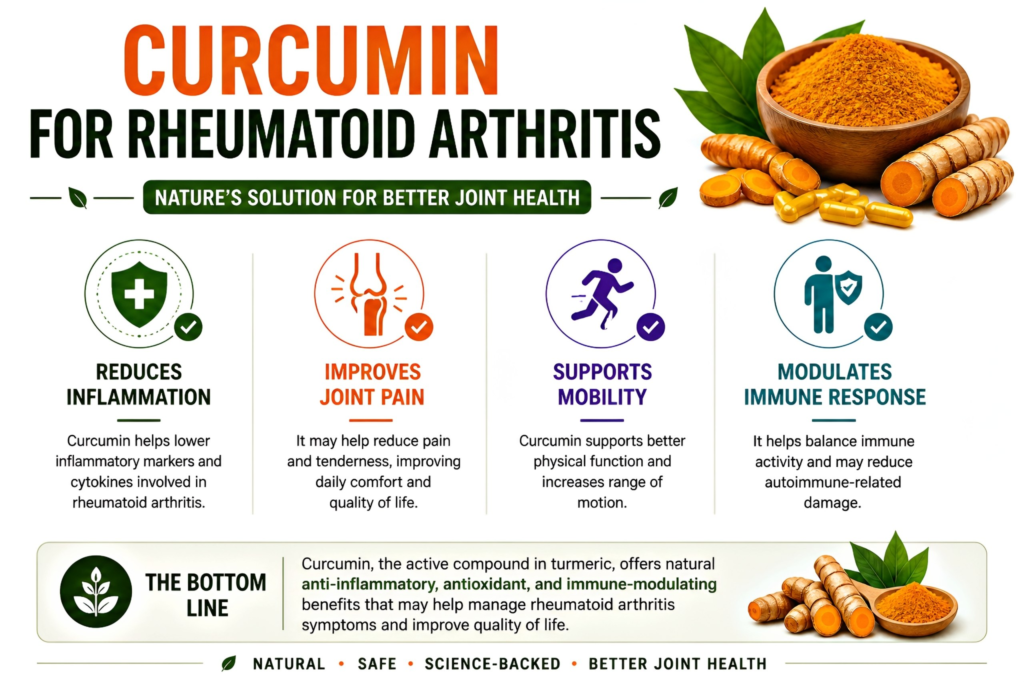
Curcumin for rheumatoid arthritis shows strong potential based on multiple clinical trials and meta-analyses.
Current evidence suggests that curcumin may reduce inflammation, improve symptoms, and support overall disease management. However, larger and long-term studies are still needed.
Overall, curcumin can be considered a scientifically supported complementary option for managing rheumatoid arthritis and is emerging as a promising complementary therapy for long-term inflammation control.
About the Moviva Research Team
The Moviva Research Team focuses on evidence-based wellness, nutrition, inflammation research, and natural health topics. Our goal is to simplify scientific research into practical, reader-friendly health information backed by published studies and clinical evidence.
We analyze human trials, animal studies, systematic reviews, meta-analyses, and emerging research adn sometimes traditional medicines uses related to arthritis, joint health, inflammation, nutrition, supplements, and lifestyle medicine to make science and experinece based articles for the public.
Medical Disclaimer
This article is for educational and informational purposes only and does not constitute medical advice. Always consult a qualified healthcare professional before making dietary or supplement changes, especially if you have arthritis or take medications.
References
Curcumin for the clinical treatment of rheumatoid arthritis: systematic review and meta-analysis
https://pmc.ncbi.nlm.nih.gov/articles/PMC12832973/
Effect of curcumin on rheumatoid arthritis: meta-analysis (Frontiers in Immunology)
https://www.frontiersin.org/articles/10.3389/fimmu.2023.1121655/full
Effect of curcumin on inflammatory markers and disease activity in RA
https://pubmed.ncbi.nlm.nih.gov/41327719/
Patient-reported outcomes of curcumin supplementation
https://pubmed.ncbi.nlm.nih.gov/38625384/