10 Natural Ways to Reduce Joint Pain Without Painkillers
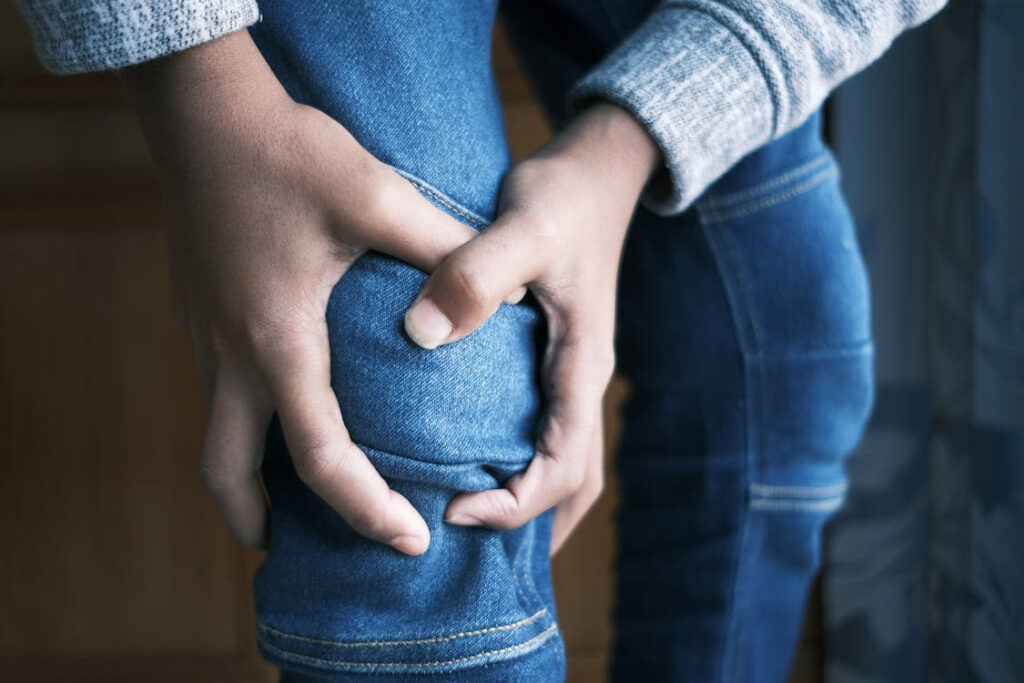
Natural ways to reduce joint pain without painkillers are becoming increasingly popular among people looking for safer, long-term solutions. Joint pain affects millions worldwide, especially those with osteoarthritis or age-related inflammation. Many people are searching for natural ways to reduce joint pain without painkillers to avoid dependency on medications.
Many people turn to painkillers for quick relief. While medications may temporarily reduce discomfort, relying on them frequently may not always be the best long-term solution. For this reason, many individuals are looking for natural ways to support joint health and mobility.
The good news is that a combination of lifestyle habits, dietary changes, and certain nutrients may help support healthy joints and reduce discomfort naturally. In this article, we explore several practical strategies that may help improve joint comfort and maintain mobility over time.
1. Maintain a Healthy Body Weight
Excess body weight puts significant stress on the joints, especially the knees, hips, and lower back. When the body carries extra weight, these joints must absorb greater pressure during everyday activities such as walking or standing.
Research suggests that even small reductions in body weight can help reduce joint stress and improve mobility. Losing just 5–10% of body weight may lead to noticeable improvements in joint comfort for many individuals.
A meta analysis by Robson et al. (2020) found that weight-loss interventions can provide moderate improvements in pain and disability in people with osteoarthritis, supporting weight management as one of the most effective natural ways to reduce joint pain without painkillers. Hence maintaining a healthy weight not only supports joint health but also improves overall physical wellbeing.
2. Stay Physically Active
Regular movement is essential for keeping joints flexible and functional. Physical activity helps strengthen the muscles surrounding the joints, which improves stability and reduces strain on cartilage. Many studies show that physical activity is now considered as an adjuvant therapy for many diseases, including musculoskelatal and joint diseases
Low-impact exercises are especially beneficial for people experiencing joint discomfort. These activities place minimal pressure on the joints while still improving mobility.
Examples of joint-friendly exercises include:
Walking
Swimming
Cycling
Yoga
Stretching routines
Regular movement is one of the most effective natural ways to reduce joint pain without painkillers and maintain flexibility.
3. Eat Anti-Inflammatory Foods
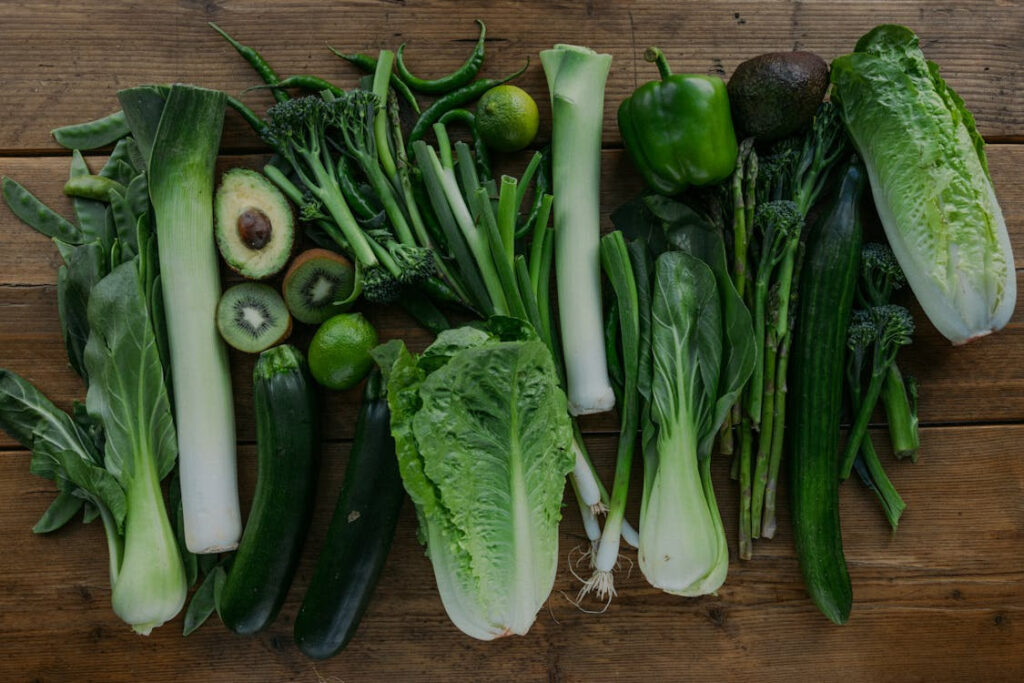
Inflammation is a major factor in many types of joint discomfort. Certain foods can help support a healthy inflammatory response in the body and promote overall joint health. A Comprehensive review supports the inclusion of an anti-inflammatory diet as an adjunct strategy in the prevention and management of rhuematoid arthritis. A systematic review of chronic dietary intervention trials in humans show that fruits and vegetables, fish, and cereals reduce systemic inflammation in people at higher risk of developing inflammatory diseases icnluding arthritis.
Foods commonly associated with joint health include:
Fatty fish such as salmon and sardines
Olive oil
Turmeric
Ginger
Leafy green vegetables
Berries rich in antioxidants
Nuts and seeds
A balanced diet rich in whole foods, healthy fats, and vegetables supports the body’s natural healing processes and may benefit joint function.
4. Consider Turmeric (Curcumin)
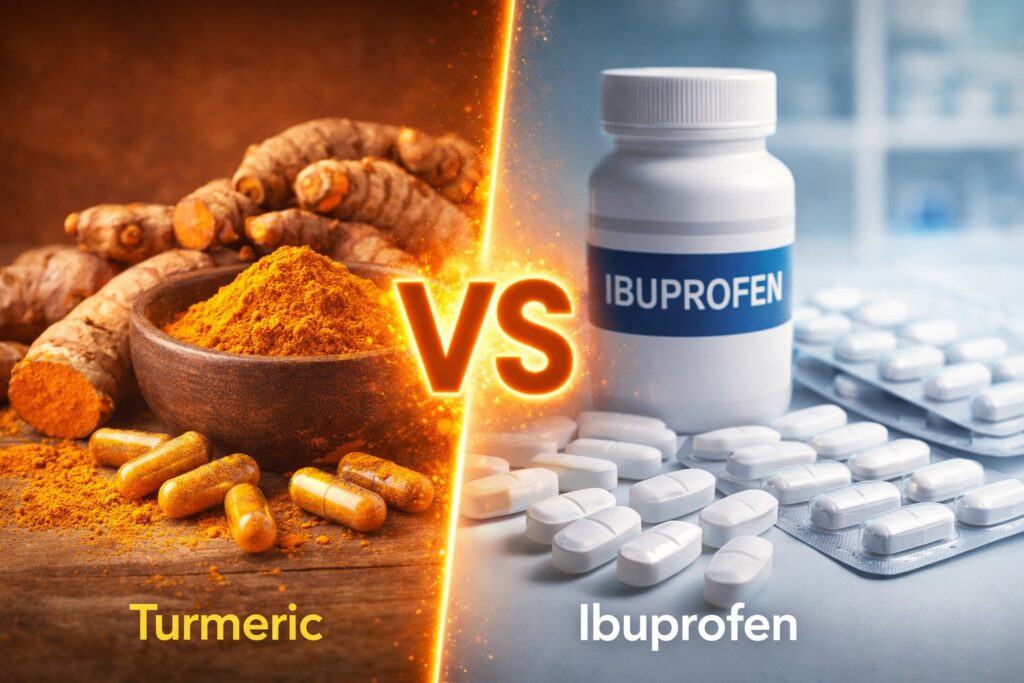
Among natural ways to reduce joint pain without painkillers, curcumin has gained attention for its pain reducing properties. Turmeric is a popular spice widely used in traditional wellness practices. Its active compound, curcumin, has been studied for its potential anti-inflammatory properties.
A systematic review and meta-analysis of randomized clinical trials found that turmeric extracts and curcumin supplementation may help improve both types of arthritis, rheumatoid arthritis and osteoarthritis symptoms and inflammatory markers in some individuals.
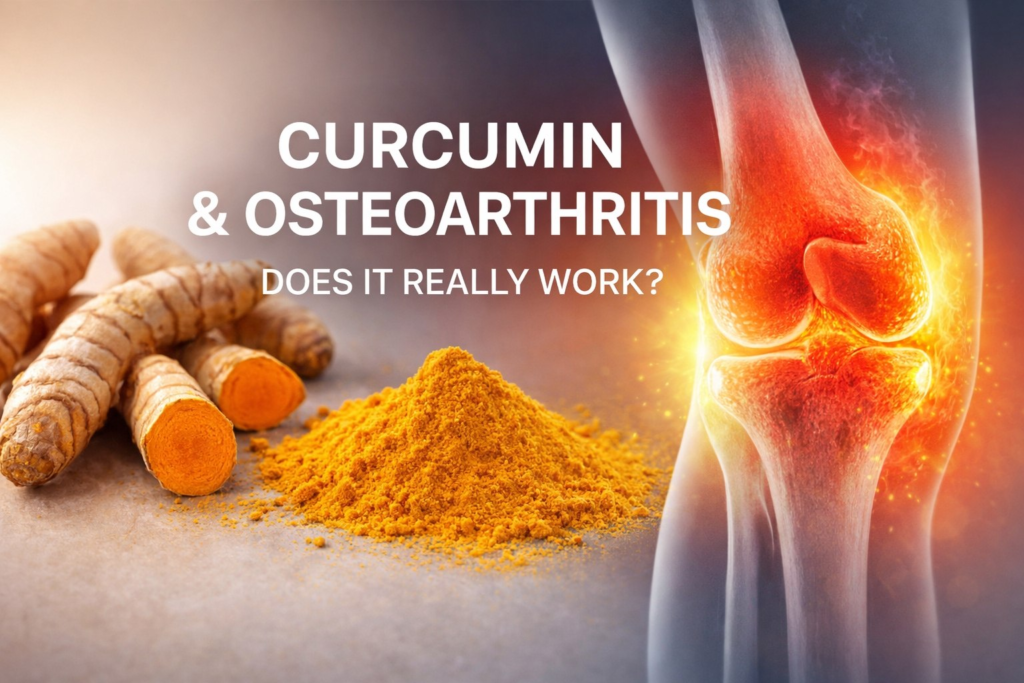
Because of this, turmeric supplements are commonly used as part of natural joint health routines. When using turmeric supplements, many products combine curcumin with black pepper extract to improve absorption. You can also explore our detailed guide on curcumin for osteoarthritis to understand its clinical benefits.
5. Stay Properly Hydrated
Water plays an important role in maintaining joint lubrication. The cartilage that cushions joints contains a large amount of water, which helps it absorb shock during movement. Hydration is crucial for joint health because it helps maintain synovial fluid, which lubricates and cushions the joints. Adequate water intake can reduce joint pain and inflammation, promoting overall joint function.
Also, keep in mind that dehydration increases the risk of chronic inflammation. A growing number of epidemiological studies have linked markers of underhydration, such as low urine volume with an increased risk of adverse health outcomes such as the future development of chronic diseases and premature mortality
So water is essential for flushing out the waste, which keeps your body in optimal condition to fight off chronic health issues. Drinking adequate water throughout the day supports overall body function and helps maintain healthy joint movement. Experts generally recommend drinking enough water to keep the body well hydrated throughout the day
6. Improve Sleep Quality
Sleep is essential for the body’s recovery and repair processes. During sleep, the body restores tissues, regulates inflammation, and supports immune function.
The link between sleep and pain is well documented. Experimental, cohort, and longitudinal studies have all demonstrated that restricted sleep is linked to greater pain. Poor sleep therefore not only affects general health but has a direct impact on inflammation, pain response, and experience. Infact current insights and evidence suggests that sleep deprivation is a big issue for people with musculoskeletal conditions and chronic pain. Between 67% and 88% of individuals with chronic pain experience sleep disruption and insomnia, and at least 50% of people with insomnia report chronic pain.
Poor sleep quality may increase inflammation and make pain more noticeable. Individuals who experience chronic joint discomfort often report worse symptoms when they are sleep deprived. Therefore Improving sleep in people living with musculoskeletal conditions and with chronic pain has the potential to deliver great benefit to many. Improving sleep habits can support joint health.
•Helpful strategies include:
•Maintaining a consistent sleep schedule
•Reducing screen time before bed
•Creating a comfortable sleeping environment
•Good sleep supports the body’s natural recovery processes.
7. Include Omega-3 Fatty Acids
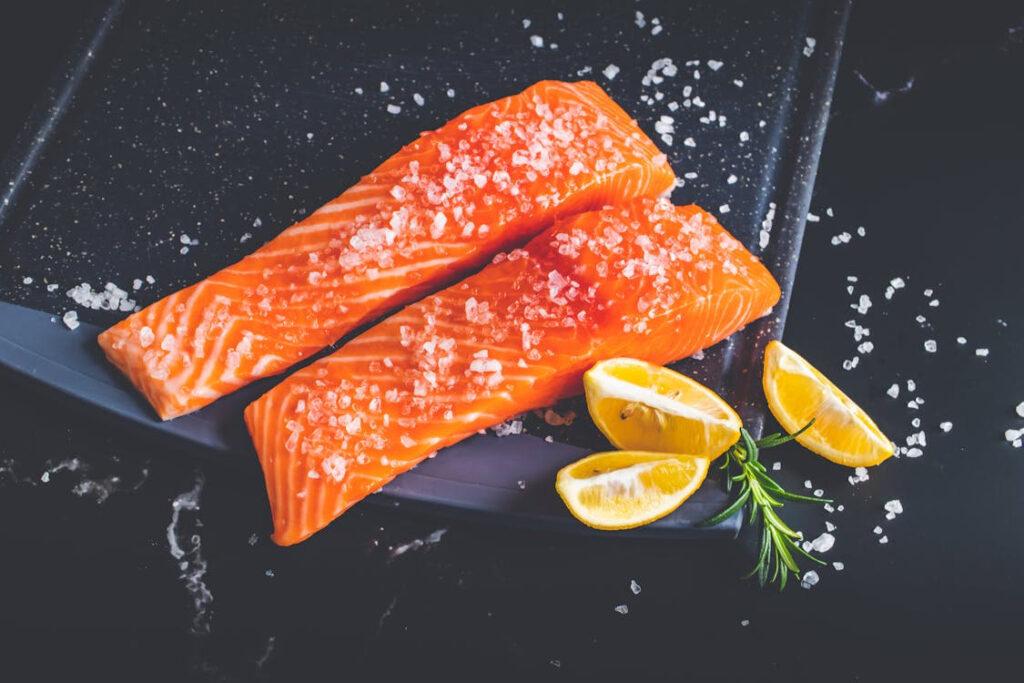
Omega-3 fatty acids are healthy fats found in fatty fish and fish oil supplements. These nutrients have been studied for their role in supporting a healthy inflammatory response. A 2024 meta analysis conluded that fish consumption helps reduce joint tenderness and morning stiffness in people with rheumatoid arthritis.
Omega-3 fatty acids may support joint comfort and mobility by helping regulate inflammation in the body.
Common sources of omega-3 include:
•Salmon
•Sardines
•Mackerel
•Fish oil supplements
•Flaxseeds and chia seeds
Hence including omega-3 rich foods regularly support long-term joint health.
8. Strengthen Muscles Around the Joints
Strong muscles help stabilize joints and reduce the pressure placed on cartilage. When surrounding muscles are weak, joints may become less stable and more prone to discomfort.
Strength training exercises can help improve joint support. Targeting key muscle groups such as the legs, hips, and core can reduce strain on joints during movement. Exercises such as bodyweight squats, resistance band exercises, and light strength training may help improve joint stability over time.
Infact a meta anlaysis by Nayab et al. (2024 ) reported that exercise interventions such as Tai Chi, Baduanjin Qigong, and aerobic training significantly improve pain, physical function, and quality of life in individuals with osteoarthritis.
9. Use Heat or Cold Therapy
Heat and cold therapy are simple methods often used to help manage joint discomfort.
Heat therapy may help relax muscles and improve blood flow to the affected area. Warm compresses or heating pads are commonly used for this purpose.
Cold therapy may help reduce swelling and numb discomfort after physical activity or strain. Ice packs are commonly used to support recovery after exercise.
Research published in Arthroscopy, Sports Medicine, and Rehabilitation shows that alternating heat and cold therapy are helpful for relieving stiffness and faster recovery from injury.
Further a pilot study showed that alternative hydrotherapy, use of hot and cold water alternatively can help alleviate joint pain by promoting relaxation and improving circulation which may reduce inflammation and stiffness in elderly patients.
Research published in Rheumatology International shows that the integrated use of water-based therapies represents a promising adjunctive treatment for improving the quality of life in patients with rheumatic diseases.
Additionally a scoping review publihsed in Journal of Clinical Medicine 2014 shows that hydrokinesiotherapy consistently demonstrated superior outcomes in pain reduction, joint mobility, and physical function across all studies in patients with osteoarthritis.
10. Support Joint Health with Collagen
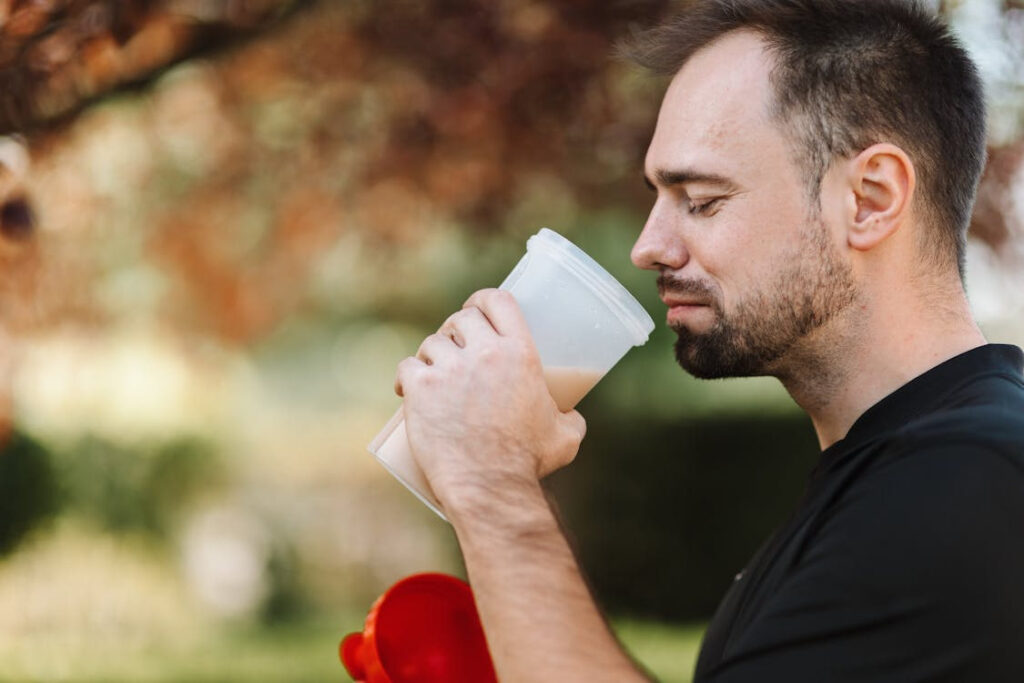
Collagen is an important structural protein found in cartilage, tendons, and connective tissues. As people age, natural collagen production gradually declines.
A 2024 meta-analysis of randomized controlled trials published in Osteoarthritis and Cartilage journal evaluated the efficacy and safety of collagen derivatives in osteoarthritis. The analysis provided strong evidence supporting the effectiveness of collagen supplements in reducing pain and improving joint function.
Both undenatured type II collagen (UC-II) and hydrolyzed collagen demonstrated clinically meaningful improvements in osteoarthritis symptoms. These benefits include reductions in pain scores and improvements in mobility and functional outcomes.
A 2024 comprehensive review suggests that oral administration of undenatured type II collagen helps in alleviating joint inflammation and pain in patients with osteoarthritis (OA) and rheumatoid arthritis (RA). This can significantly ameliorate joint inflammation and pain, with high patient acceptance and minimal side effects as a well-tolerated treatment option for joint diseases.
The takeway is clear, collagen is crucial for both forms of arthritis-osteoarthritis and rheumatoid arthritis and taking collagen supplement and collagen rich foods can help manage symptoms of arthritis.
Final Thoughts
Joint discomfort can affect quality of life but these natural ways to reduce joint pain without painkillers can help support joint health and reduce inflammation over time.
Maintaining a healthy body weight, staying physically active, eating nutrient-rich foods, and getting enough sleep all contribute to better joint function.
Certain nutrients such as turmeric, omega-3 fatty acids, and collagen may also support joint health when combined with a balanced lifestyle. Overall these natural ways to reduce joint pain without painkillers can support long-term joint health when followed consistently.
Anyone experiencing persistent or severe joint pain should consult a healthcare professional for proper diagnosis and personalized advice.
Frequently Asked Questions
What is the best natural remedy for joint pain?
There is no single solution that works for everyone. Many people benefit from a combination of regular exercise, anti-inflammatory foods, and nutrients such as omega-3 fatty acids or turmeric.
Can lifestyle changes really improve joint health?
Yes. Maintaining a healthy weight, staying active, and eating a balanced diet can significantly support joint function and mobility.
When should someone see a doctor for joint pain?
If joint pain becomes severe, persistent, or limits normal daily activities, it is important to seek medical evaluation to determine the underlying cause.
Related Guides
15 best anti inlfammatory foods for arthritis
15 Best Fruits for Arthritis Backed by Research
20 Best Vegetables for Arthritis Backed by Research
About the Moviva Research Team
The Moviva Research Team focuses on evidence-based wellness, nutrition, inflammation research, and natural health topics. Our goal is to simplify scientific research into practical, reader-friendly health information backed by published studies and clinical evidence.
Medical Disclaimer
This article is for educational and informational purposes only and does not constitute medical advice. Always consult a qualified healthcare professional before making dietary or supplement changes, especially if you have arthritis or take medications.
References
Zhou, Y., Zhang, Y., Dai, H. et al. The potential of undenatured type II collagen against arthritis: a review. Collagen & Leather 6, 17 (2024)
https://link.springer.com/article/10.1186/s42825-024-00160-y
Efficacy and safety of collagen derivatives for osteoarthritis: A trial sequential meta-analysis
Chun-Wei Liang et al 2024
https://www.sciencedirect.com/science/article/pii/S1063458424000049
Tedeschi, R.; Giorgi, F.; Donati, D. Harnessing the Power of Water: A Scoping Review of Hydrokinesiotherapy as a Game-Changer in Knee Osteoarthritis Management. J. Clin. Med. 2024
https://www.mdpi.com/2077-0383/13/19/5811
Bekaryssova, D., Yessirkepov, M. & Imanbaeva, A.D. Water-based interventions in rheumatic diseases: mechanisms, benefits, and clinical applications. Rheumatol Int 45, 8 (2025).
https://link.springer.com/article/10.1007/s00296-024-05770-7
A study to assess the effectiveness of hot water and cold-water therapy among elderly people with joint pain living at selected areas Sathiyabama Gunasekaran July 2022
https://www.researchgate.net/publication/361942299_A_study_to_assess_the_effectiveness_of_hot_water_and_cold-water_therapy_among_elderly_people_with_joint_pain_living_at_selected_areas
Thermal Modalities Including Hot Baths and Cold Plunges Play a Unique Role in Injury Prevention and Recovery Kiera L. Vrindten M.B.S et al April 2025
https://www.sciencedirect.com/science/article/pii/S2666061X25000690
Nayab S, Bilal Elahi M. The Impact of Exercise Interventions on Pain, Function, and Quality of Life in Patients With Osteoarthritis: A Systematic Review and Meta-Analysis. Cureus. 2024 Nov 25
https://pubmed.ncbi.nlm.nih.gov/39726491/
The relationship between fish consumption and rheumatoid arthritis; a systematic review and meta-analysis Persia Moloud Fakhri et al February 2023 Immunopathologia
https://www.researchgate.net/publication/370135169_The_relationship_between_fish_consumption_and_rheumatoid_arthritis_a_systematic_review_and_meta-analysis
Katie Whale, Rachael Gooberman Hill, The Importance of Sleep for People With Chronic Pain: Current Insights and Evidence, JBMR Plus, Volume 6, Issue 7, 1 July 2022
https://academic.oup.com/jbmrplus/article/6/7/e10658/7479011?login=false
Dmitrieva, N.I., Boehm, M., Yancey, P.H. et al. Long-term health outcomes associated with hydration status. Nat Rev Nephrol 20, 275–294 (2024).
https://www.nature.com/articles/s41581-024-00817-1
Daily JW, Yang M, Park S. Efficacy of Turmeric Extracts and Curcumin for Alleviating the Symptoms of Joint Arthritis: A Systematic Review and Meta-Analysis of Randomized Clinical Trials. J Med Food. 2016 Aug
https://pmc.ncbi.nlm.nih.gov/articles/PMC5003001/
D’Antonio, V.; Ramal-Sanchez, M.; Bravo-Trippetta, C.; Corvaglia, E.; Serafini, M.; Angelino, D. Unraveling the Role of Foods on Chronic Anti- and Pro-Inflammatory Cytokines: A Systematic Review of Chronic Dietary Intervention Trials in Humans. Nutrients 2025,
https://www.mdpi.com/2072-6643/17/17/2834
Polyzou, M.; Goules, A.V.; Tzioufas, A.G. The Role of Nutrition in the Development, Management, and Prevention of Rheumatoid Arthritis: A Comprehensive Review. Nutrients 2025
https://www.mdpi.com/2072-6643/17/24/3826
The benefits of physical activity on successful bone, spine and joint ageing: Highlights of the recent literature Hubert Blain et al Novermber 2022 Joint Bone Spine
https://www.sciencedirect.com/science/article/abs/pii/S1297319X2200094X
Effectiveness of Weight-Loss Interventions for Reducing Pain and Disability in People With Common Musculoskeletal Disorders: A Systematic Review With Meta-Analysis
Emma K. Robson, BSND et al Journal of Orthopaedic & Sports Physical Therapy May 31, 2020
https://www.jospt.org/doi/10.2519/jospt.2020.9041